
25 Years after September 11th
Bhavani Kunjulakshmi
Eduquê: Decolonization through the Pedagogy of Crossroads
Decolonization through the Pedagogy of Crossroads
Education for Peace and Human Rights
Education for Peace and Human Rights
Radical histories and social movements
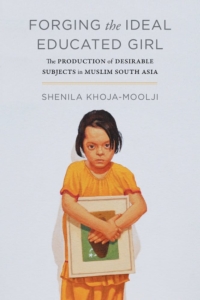 This is the last episode in our four-part series leading up to the CIES 2017 Symposium. In the past three episodes, we have talked about decolonizing knowledge and innovating comparative and international education primarily from within the USA. But what does decolonization look like in other countries?
Today we focus on Pakistan. My guest is Shenila Khoja-Moolji. She researches and writes about the interplay of gender, race, religion, and power in transnational contexts. In the May 2017 supplement of the Comparative Education Review, she wrote an article on teacher professional development in Pakistan.
Shenila has also learned to navigate the difficult and at times imperial terrain of international education development.
Shenila Khoja-Moolji is currently a visiting scholar at the Alice Paul Center for Research on Gender, Sexuality and Women at the University of Pennsylvania and the author of Forging the Ideal Educated Girl, which will be published by the University of California Press in June 2018.
Citation: Khoja-Moolji, Shenila, interview with Will Brehm, FreshEd, 92, podcast audio, October 23, 2017. https://www.freshedpodcast.com/shenila-khoja-moolji/
Transcript, translation, resources:
Decolonizing Teacher Training in Pakistan
Today we look inside an example of destabilizing knowledge hierarchies inside an American university. With me is Patricia Parker. Patricia helped set up the Graduate Certificate in Participatory Research at the University of North Carolina at Chapel Hill. The graduate certificate reveals the paradoxes of challenging dominant forms of knowledge inside one of the very sites, the university, responsible for reproducing colonial knowledge structures.
Patrcia Parker is chair of the Department of Communication at the University of North Carolina where she is also an associate professor of critical organizational communication studies and director of the Graduate Certificate in Participatory Research. She is currently finishing a book entitled, Living Ella Baker’s Legacy, which documents a multiyear participatory research study with African American girls in under-resourced communities leading social justice activist campaigns.
She will speak at the CIES Symposium later this month.
Citation: Parker, Patricia, interview with Will Brehm, FreshEd, 90, podcast audio, October 9, 2017. https://www.freshedpodcast.com/parker/
Transcript, Translation, Resources:
Decolonizing Graduate School Knowledge at UNC
OverviewTranscriptترجمةResources
Today we discuss human rights education with Monisha Bajaj. Monisha, has recently edited a book entitled Human Rights Education: Theory, Research Praxis, which was published by the University of Pennsylvania Press.
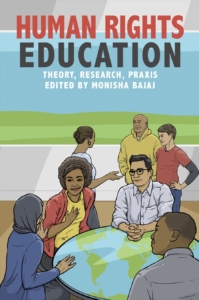
In our conversation, we discuss the origins of human rights education, its diverse range of practices, and the ways it has changed overtime.
We also discuss the challenges to human rights education today.
Monisha Bajaj is a Professor of International and Multicultural Education at the University of San Francisco.
Citation: Bajaj, Monisha, interview with Will Brehm, FreshEd, 72, podcast audio, May 8, 2017. https://www.freshedpodcast.com/bajaj/
Will Brehm 1:45
Monisha Bajaj, welcome to FreshEd.
Monisha Bajaj 1:57
Thanks so much for having me, Will.
Will Brehm 2:00
So, what is Human Rights Education?
Monisha Bajaj 2:04
Sure. Well, a very basic definition of Human Rights Education is any teaching and learning that happens to impart values, notions, knowledge about human rights among learners. And human rights, most basically, are legal and ethical frameworks for human dignity. And they’ve existed for many, many, many years, in many traditions, in many cultural backgrounds but they were most kind of concretized after the Second World War, as nations came together in the wake of two world wars, looking at the horrors of the Holocaust, and the ravages of what happened there -trying to create a shared moral, ethical, legal framework for individuals, communities, nations living in peace and in dignity.
Will Brehm 2:52
And that framework -that moral, and ethical, legal framework- was through the United Nations?
Monisha Bajaj 2:57
Yeah, so the United Nations came about -the ideas for it had existed through the League of Nations and other proposals that had existed before World War Two. But after World War Two, as nations recovered from many different things on many different continents that were happening, the proposals really moved forward in terms of creating the architecture and the structure for the United Nations. And through that there was a proposal for a Universal Declaration of Human Rights that would codify some basic human standards for living together. The basic principles for which every human would be entitled to.
Will Brehm 3:35
And so human rights as a framework through the United Nations, that was in the 1940s, 1950s, but when did the Human Rights “Education” first emerge?
Monisha Bajaj 3:46
Sure, so actually, Human Rights Education as I mentioned, you know, you have these traditions and cultures where notions of human rights emerged for many years and education about rights and basic values of human dignity have existed in many cultures historically and through the years. But again, at this codification in 1948, through the Universal Declaration of Human Rights -through these 30 articles of this kind of milestone document that’s been translated thousands of times, all around the world- there is Article 26 that fundamentally in Part 1 says that everyone has a right to education. And notably, in Part 2 of that says that education should be directed to the strengthening of respect for human rights and fundamental freedoms. So, there was this awareness and the individuals who debated this document, there were three years of debates and, you know, arguing over language and getting the right terms and the right notions and the phrasing and the types of principles that would be in this document. There was a lot of debates about individuals who were educated that participated in the Holocaust. So, people who were medical doctors who were experimenting in awful ways on individuals: torture, murder, atrocities, and the Nazi indoctrination of youth through education during that time -during the Nazi regime. So, there was this perspective that it’s not just access to education, which is Part 1 of Article 26, but education for what? Education towards peace, tolerance, friendship among nations, the strengthening of fundamental freedoms, respect for human rights. So HRE has actually existed -since in that kind of formal form- since the creation of the document, the Universal Declaration of Human Rights.
Will Brehm 5:28
And who are some of the main proponents of Human Rights Education?
Monisha Bajaj 5:51
Sure. So, in that kind of debating, there were people from different nations. There was a lot of strong support from women from India and from the Dominican Republic, who are delegates in drafting this document for inclusive language around gender. In terms of education, a lot of the Latin American countries pushed the economic, social and cultural rights into the document. Obviously, some of the drafters that we know about were Rene Cassin of France. Different individuals who were leading philosophers and theorists of that time, Charles Malik of Lebanon -other individuals. And so, these debates were happening among this group of individuals. Eleanor Roosevelt chaired the council that drafted the declaration, but she didn’t actually participate in a lot of the drafting of it, which is a bit of a misconception that a lot of individuals have -that she was the main drafter of the declaration. So, these were all kind of leading scholars, philosophers, intellectuals of the time that had come together through this platform of the drafting committee to put in what they saw were the most important rights that each individual should have across societies. What’s interesting about that drafting committee, a lot of individuals bring up the cultural relativist critique. And actually, the strong support for the kind of universalism was from nations of the global South. The few that were involved at that time who had already become free -if we think about the period of 1948 a lot of the countries of Asia, South Asia, at least in Sub-Saharan Africa, were still under colonial rule. And a lot of the colonial powers didn’t want the universal language to be in there. Because that would mean that then the colonies that were under their rule would have to be entitled to these rights that they weren’t at that time giving them. So, there’s this misnomer, I think, right? Or this misconception these days that cultural relativism is something that global South nations are arguing for. But at this time in the 1940s it was actually the reverse: That European powers were arguing for cultural relativist language so that they could maintain you know, their power over the colonies that they had that were very lucrative for them. But a lot of that history is very hidden.
Will Brehm 7:40
So, when did it change to the critique being that cultural relativism was what the global North was doing?
Monisha Bajaj 7:47
Yeah, so that -there’s a really interesting book, it’s a long answer to that question but I would point any listeners towards this book by -I think the first name of the, I can’t remember the first name of the author, but the last name is Burke, and again, the name of the book also escapes me- but it’s a I think it’s something on Decolonizing human rights or something like that. And it talks very extensively -it’s about a 200-page book- about every debate through the process of drafting the declaration. And then how different nations, particularly Saudi Arabia, different representatives from there, switched the debate on cultural relativism to then be a debate about the western imposition of values in order to be able to resist some of the universal framing around the 60s and 70s that was coming out about bringing attention to nations that were not abiding by some of these standards and advancing human rights for all people in those countries.
Will Brehm 8:44
Yeah, I know in the 90s a lot of Asian nations, when they came together during the Vienna Conference, they explicitly stated that human rights should not be used to pressure nations into a universal direction. They kind of made this very interesting balance between, on the one hand, they recognized human rights as universal but at the same time, they didn’t want nations -particularly a Western nations- to pressure Asian nations into following a certain direction of human rights. And it makes me realize that this difference between cultural relativism and the universal notion of human rights I mean, its intention and obviously, as you’re saying changes over time, depending on which nations are advocating for the different sides.
Monisha Bajaj 9:36
Yeah, I mean, I think the history of that debate is a really productive area to look into because it’s so complex and it’s so interesting to look kind of from the 1940s to the present who is on each side of that debate and how that’s shifted over time and even within nations to look at who argues for each of that. I know in my own work my I know we’re talking right now about this new book, but in my previous book on Human Rights Education in India, I looked at kind of the different definitions of Human Rights Education that people have. And it definitely was a lot of individuals who had a bit more privileged status that were arguing for cultural relativism and that these notions can’t be imposed on us. We have Asian values, or we are not like those nations that want us to be like them. Whereas the communities kind of at the very bottom, particularly Dalit rights activists and organizations that I work with -Dalit is considered formerly called “untouchable” groups. A lot of the organizations that were advancing Human Rights Education were Dalit rights organizations. And what they were saying is that, “we do want these universal notions because then what it can allow us to do is advocate for rights that we’ve been denied for thousands and thousands of years”. And the individuals who were arguing for cultural relativism were individuals who would then be upset or disrupted by a change in social relations that had privileged them for a very long time. So, I think it’s also very fruitful to look within nations to see how different structures are arranged and when groups who are some of the most marginalized begin to use human rights framing and language, how then the cultural relativist critique comes from local elites that don’t want any disruption of the privileges and benefits that they’ve had for a very long time.
Will Brehm 11:15
Right. So, it can be particular interests domestically, can latch on to some of these international ideas to push their agenda forward.
Monisha Bajaj 11:23
Yeah. And who is attending the UN meetings where they’re arguing for cultural relativism? For example, in the declaration that you mentioned, in the Vienna conference, the individuals who represent nations are often from elites, right? So, when there’s not the parallel tracks for NGOs or civil society or social movements to be part of those conversations, only one side of the story often gets put forward. So, it would be interesting to see -I think the World Conference against Racism in Durban in 2001 was a very interesting conference where many NGOs, social movements, civil society groups were present alongside the government representatives, and particularly around Dalit rights and the human rights framing, as well as other issues globally. You had a very sort of tense conference where even government actors walked out of the conference because of the strong presence of civil society that were basically telling them when the government of certain countries would say, No, the situation is like this. The civil society actors would say, “No, it’s not. We are living this, we are working this”. And so, you had both voices and it was very difficult for governmental actors to be able to spin a story that wasn’t countered by anyone else because you had a strong presence of civil society there.
Will Brehm 12:39
Yeah. So, let’s switch or let’s change gears to this: How Human Rights Education is actually practiced. Is this something that we see civil society and NGO organizations practicing? Or are governments actually practicing it as well?
Monisha Bajaj 12:56
Yeah. What I think is really interesting about Human Rights Education is you have a sort of “from above” approach and a “from below”. And then a lot of kind of grassroots, transformative education, social justice education, you only have the “from below”, which is kind of empowerment education, trying to reach marginalized groups, bring some sort of Freirean-inspired consciousness raising education in order to empower them. With Human Rights Education, you have that. You have a lot of grassroots movements. This was particularly true in Latin America, during the time of authoritarian rule. A lot of organizations were working with communities to bring in Human Rights Education to build a political base for movements to overthrow authoritarianism. You see that in many different contexts. At the same time, from the 1990s forward, you have a very strong intergovernmental legitimization of human rights discourses and Human Rights Education, particularly through the Vienna Conference on Human Rights in 1993. That was the first big World Conference on human rights after the fall of the Soviet Union where in the declaration that come out of the plan of action that came out of this conference, there were many paragraphs devoted to Human Rights Education being a priority. That awareness about human rights. Through that declaration, there was also the creation of the UN Decade for Human Rights Education, which was 1995 to 2004. So, you have this very strong intergovernmental movement at the same time that you have this very vibrant sort of grassroots movement and it looks different in both those places. So, the way governments talk about Human Rights Education may be putting a paragraph in a textbook, or kind of doing it so that they look good in the international community. Whereas grassroots movements are really trying to bring about individual and social change through working with marginalized groups to advocate for their own rights and demand sort of more dignity and basic freedoms. So, you have this interesting dual movement happening, and maybe there are other levels as well, but it also allows grassroots movements to draw on that global framework to bring legitimacy to what they’re doing. And you see a lot of groups -I see this in my work in India, as well as in other places where I’ve done research- where groups that we’re framing their work on education or consciousness raising around a particular right like the right to land or the right to be free from caste discrimination or gender, that they start using human rights more broadly to frame the issues that they’re working on because it does link to this global framework and this global discourse that then all of a sudden they can make claims on the nation-state because the nation-state has said that they agree to these kinds of global values and norms. So, you see a lot of reframing in the 1990s of individual social movements and NGOs that are working in different areas to a broader human rights lens because funding, legitimacy, networks and different ways of accessing these global goods can also be available by reframing into a human rights lens. And it’s not that what they were working on isn’t human rights. It’s just that all of a sudden there’s this kind of more pan-human rights perspective that individuals can link their own demands and struggles into.
Will Brehm 16:11
So why are nation-states -at this at these intergovernmental agencies and conferences- why are they adopting the language of human rights? Even if it’s only, like you said, a paragraph in a textbook. What is the reason for this global convergence in a sense at that intergovernmental level?
Monisha Bajaj 16:33
There are many scholars who’ve written on this, and I think -it’s not an area that I focus on squarely in my work. But we do have some chapters in the book that do talk about this kind of shift towards the kind of more individual rights in the global kind of economy. You see, this rise of neoliberalism to some extent has opened up the space for this discussion of individual rights. I would say it has a lot to do with kind of how the movement, particularly this kind of Cold War period, where it was very much the First World, the Second World, the Third World. Different groups were focused on different rights. So, the West and the global north was definitely kind of more on political and civil rights. Whereas you see the kind of Soviet nations more focused on economic-social rights, not necessarily cultural rights in that regard. But you see this kind of emergence of political and civil rights as sort of this framework that then becomes to frame a lot of the post-Soviet period. So, it is this way that human rights originally kind of gets in these documents and gets to this kind of international community through the political and civil rights. But as more people enter this space and start using the whole expanse of the human rights documents and frameworks that you see more attention to economic, social, cultural rights coming in as well
Will Brehm 17:53
Since the end of the Cold War -and maybe since the Vienna conference in the early 1990s- has the practice of Human Rights Education changed to today in 2017?
Monisha Bajaj 18:06
Yeah, definitely. So, I would say that -so you have this document in 1948 where Human Rights Education is clearly stated as a fundamental right, you know, a kind of social good that’s in this universal declaration, but not much action on it, or very disparate, different movements towards Human Rights Education. Until really there is this kind of global convening, this focus on Human Rights Education that comes out of the Vienna Conference, and then through the decade -that was like an interagency decade for Human Rights Education across UN agencies- there was then coordination and movement for individuals who are doing different things and may not even know about each other. If you think about the early 1990s, there wasn’t even the internet as easily available that really comes about in the late 90s, early 2000s. So, this decade really allowed people to coordinate and say, “hey, I’m doing this over here. Hey, I’m doing this over here, hey, let’s connect, let’s get together”. And through that coordination of action plans, nation-states then had an incentive because they were being required to submit action plans of what was happening, they had to take stock nationally and say, “Hey, what’s going on in our nation? What can we report that will make us look good about what’s going on in Human Rights Education”? So, it was also a chance for this kind of connection horizontally across the globe, at the civil society level. And I know in the case of India as well, which is where a lot of my research has taken place, government actors got interested in what civil society was doing, because they could use it as a way to show the UN agencies what was happening. Whether or not they were actually involved in it or not, but they could kind of take some credit for actions and show up at events that NGOs were putting on -there was a creation of a National Human Rights Commission at that time in India, for example. So, it was a chance to kind of take stock, connect and also move different initiatives forward because of this kind of international -I wouldn’t say comparison but this kind of focus that then everybody wanted to rally around and show what they were doing.
Will Brehm 20:06
Is Human Rights Education fundamentally different today than it was in the 90s? Or do we see similar trends happening?
Monisha Bajaj 20:14
Yeah, so I would say it is different. So, you see this kind of exponential growth in the term Human Rights Education being used. Initiatives that are specifically on Human Rights Education. So, whereas before the 90s, you probably had very disparate, very kind of Amnesty International was working in that space. Some individuals and organizations were but after the 1990s, you see a lot of individuals who had been doing education -maybe citizenship education or agenda rights education- using Human Rights Education as a frame. Sort of repackaging, maybe expanding the focus of what they were doing to include other rights and then just a monumental shift in pedagogies, practices, publications, textbook reforms, pedagogical reforms. So, the proliferation of initiatives and activities and NGOs that were working in this space after the 1990s till the present day. And what we see now, I think, which is really interesting is just different approaches. So, some of my previous work has also kind of looked at different ideological bents to Human Rights Education. So, I’ve kind of conceptualized some different areas of Human Rights Education for global citizenship, Human Rights Education for coexistence, where different groups whether those ethnic groups, religious groups have been in conflict, bringing initiatives for Human Rights Education that addresses that. And then Human Rights Education that is rooted much more in sort of analysis of asymmetrical power relations that really seeks to bring about transformative learning and action that will address some of these inequities locally and in some instances globally. So, you have a proliferation of initiatives with very different ends. So you might have someone calling what they do Human Rights Education that is very different even in the same nation-state as another group that is using the term Human Rights Education and working with a very marginalized group, and doing something that looks totally different than something that’s happening 50 miles away in a privileged, urban, private school that is sort of doing Skype chats with individuals in other countries and trying to bring about global citizenship. So, you definitely have sort of this proliferation of the term and the perspectives of Human Rights Education, but with very different definitions of what that means as you get down into what they’re doing, what rights they’re focusing on, and what approaches they’re taking to impart learning around human rights.
Will Brehm 22:35
So, I mean, this makes me wonder, what is the value of using the term Human Rights Education if it can mean so many different things?
Monisha Bajaj 22:44
Yeah, I mean, I think the value of using it is very similar to the value of kind of any social justice efforts, right? It allows for people to congregate around this banner of Human Rights Education and address different issues of basic dignity, social justice, critical analysis, but the way that people take up that movement will always be very different. And I think that’s where scholars and practitioners can be in dialogue. I think what’s interesting about Human Rights Education is because it’s a fairly new field, and it’s very grounded in both practice and scholarship. There’s one listserv that is extremely vibrant, that’s coordinated by the US based NGO, Human Rights Education Associates, that started kind of in the late 90s, early 2000s with a few dozen people. When I wrote my book on Human Rights Education in India a few years ago, it was about 8,000 people on the listserv. I’m on this listserv now. I think the latest I looked up its 16,000 people on this listserv from 170 different countries. And it’s an extremely active space for people to share what’s going on, what they’re doing, perspectives, insights, government efforts, feedback on the UN Declaration on Human Rights Education and Training that came out a few years ago. There were several conversations about what should go into that. It’s very rare in other intergovernmental spaces, that you would have such an active civil society participation in the drafting of a declaration or in the discussions about the everyday kind of practice. So, I think being a field that’s relatively new and relatively small, more or less, it allows for this very vibrant and dynamic space where people can contest the definitions or bring in new ideas to it. But it also means that we can’t think it’s all the same. It’s not a monolithic whole. The way individual’s kind of think about Human Rights Education is shaped by where they’re positioned, their social location, what their goals are through the project. And that’s why I think this book is really, you know, it’s meant to be a very introductory textbook on you know, what is Human Rights Education, who’s in the space, what are the different perspectives that exists there and kind of teasing out some of these different conceptual and theoretical perspectives that infuse the way that we think about the field
Will Brehm 25:00
Are there any examples of the outcomes of Human Rights Education? Like, “this is a great outcome of this particular initiative or practice of Human Rights Education”.
Monisha Bajaj 25:14
Yeah, so the area of sort of, I mean, I think research contributes to that. But definitely the area of evaluation is very contested. Because, as with any sort of educational program, it’s difficult to say this is the concrete outcome of this. But there have been studies that look at kind of prejudice reduction, there are three kind of large buckets that Human Rights Education focuses on: So, one is the cognitive. So greater awareness, knowledge about human rights history, standards, norms, maybe they’re domestic rights that everyone has access to. The second bucket would be kind of the affective, attitudinal. So, how does Human Rights Education affect the way that individuals interact with each other? This kind of emotional or attitudinal behavioral area. Is there actually less bullying because Human Rights Education is happening in a school? Is there greater inclusion among different social groups in a school or educative community? And then the third bucket is action-oriented. And that’s one of the trickiest areas to assess because a lot of school children don’t have a lot of time for social action. But Human Rights Education also takes place in a lot of non-formal education learning spaces where there are adult learners, it can happen in community-based spaces, it can happen in after school spaces. So, these are areas that different scholars have looked at. So, what is kind of the content, what are the sort of affective, and what are the action-oriented components that learners -whatever age they are- develop and incorporate into -and even educators- as they learn about Human Rights Education, what are they taking up and doing with this information? I look at that some in my book on Human Rights Education in India. Schooling for Social Change, is the name of that book. Other scholars have also done that, and we have, you know, chapters by about 20 different authors in this new book Human Rights Education: Theory, Research and Praxis, that gives short chapter snippets of what they’re looking at. One of the really interesting chapters that we were excited to include in this book is by Oren Pizmony-Levy and Megan Jensen, where they look at a professional development Human Rights Education program for individuals who work with people who work with refugees who are claiming asylum based on persecution of their gender identity or sexual orientation. So, this was a really important chapter to include because a lot of human rights frameworks, especially the Universal Declaration of Human Rights, doesn’t identify sexual orientation as an area that you have to be free from discrimination of. And as we move from the 1940s forward, more declarations and conventions and international frameworks have incorporated some around sexual orientation, but it is a very sort of contested area when you think about the different nation-states and different laws that criminalize activity. So, this was an important chapter to include and they present some evidence of a training program done by an organization that really does show how individuals who participated, in a quantitative measure, reduce prejudice towards individuals of different sexual orientations through participation in this professional development. So, there are these ways of sort of evaluating. It could be that long term, there are kind of reversals to old ways of thinking, but there are different methodological approaches in the field and some attention towards addressing, “Okay, what are the outcomes and how do we assess these outcomes so that we are moving towards greater respect for human rights through Human Rights Education?”
Will Brehm 28:52
I want to bring the conversation all the way to today when where Marine Le Pen did not win the French presidency, but she came in second and earned more votes than her father did. And in a way she exemplifies this rise of nationalism and ethnocentric thinking -at least in Europe and maybe in the US where Donald Trump won the presidency- and we see this new anti-global talk and discourse and much more nationalistic and I wanted to in your sense: Do you think that this sort of discourse that we see in Europe and in America is going to affect Human Rights Education?
Monisha Bajaj 29:41
So, I see it as not only Europe and America. I mean if we look at the Philippines what’s going on with the leader there. India you know there’s been a tremendous cracking down on descent, revoking of human rights organizations sort of national permission to operate by the Prime Minister there right now. I think it’s a global trend. So, I just want to say that it’s not just the United States and Europe, even though that’s what we get most of the news about. It is really a global trend towards this kind of authoritarianism. In my opinion, it definitely makes Human Rights Education more necessary than ever. So, if you see Human Rights Education as a political and pedagogical project, we need more consciousness raising, critical thinking, critical media literacy, we need it more than ever. And the way I kind of give a quick definition of Human Rights Education sometimes is that space where cosmopolitanism meets Paulo Freire’s ideas. So, I think there’s this beautiful merging of this cosmopolitan thinking, that we are kind of global citizens, that we do have these shared moral, legal, and ethical frameworks which we see in human rights. But that individual consciousness raising has to happen at very local levels with very kind of tailored approaches to the communities that you’re involved in. So how individual communities link to that global, ethical framework and what’s needed to get them to think in perspective, or in relation to that is very different. So that consciousness raising that political, pedagogical, participatory education that happens has to take into account how people are situated in relation to this global. And right now, I think this move towards authoritarianism and this very kind of “rise of nationalism”, is related to a very sophisticated explanation that these kind of charismatic leaders who tend towards authoritarianism are able to give, which is that your economic woes and your hardships are because of “the other”. So particularly with Brexit, there was a very strong propaganda, whatever effort, towards blaming immigrants for the economic hardships when in reality if you take a structural lens on what’s happening is that manufacturing -a lot of the industrial jobs that individuals were in- moved overseas long ago. But the way that the kind of right-wing efforts were able to pin that answer, when people were asking, “Why is my life so hard?”, they were able to pin that answer on individuals who looked different and this kind of rise of multiculturalism through the European Union and migration that had been facilitated to that. When that actually, structurally, was not the reason why people’s lives were harder. It was the collapsing global economy and the rise of neoliberalism and factories moving to where wage labor is the cheapest in places like Bangladesh or Cambodia or Haiti. So, there’s this very sophisticated, I would say political education by the Right to give answers to these kinds of questions that we human rights educators really have to counter with correct and clear analysis that includes critical thinking, critical media literacy, historicizing the situations that individuals find themselves in but I think some of the ways that Human Rights Education operates is so grassroots. It’s very difficult to counter such sophisticated and well-funded campaigns on the other side.
Will Brehm 33:10
Well, Monisha Bajaj, thank you so much for joining FreshEd, it was really great to talk today.
Monisha Bajaj 33:15
Thank you so much for having me.
ويل بريهم: مونيشا باجاج، أهلًا بيكي في برنامج فريش إيد
مونيشا باجاج: شكرًا جدًا لاستضافتكم لي يا ويل
ويل بريهم: إيه هو تعليم حقوق الإنسان؟
مونيشا باجاج: تمام، التعريف الأوّلي لتعليم حقوق الإنسان أن هو أي تعليم وتعلم بيحصل عشان ينقل القيم والمفاهيم والمعرفة الخاصة بحقوق الإنسان بين المتعلمين. وحقوق الإنسان، بشكل أساسي، هي الإطار القانوني والأخلاقي لكرامة الإنسان. وهي موجودة من سنين بعيدة جدًا وفي ثقافات كتيرة، لكنها لم تصبح بالأهمية دي غير بعد الحرب العالمية التانية، لما اجتمعت الدول بعد حربين عالميتين وشافت أهوال الحرب النووية وويلات ما حصل فيها، وحاولوا يعملوا إطار أخلاقي وقانوني مشترك للأفراد والمجتمعات والدول عشان يعيشوا في سلام وكرامة.
ويل بريهم: وهل كان هذا الإطار القانوني والأخلاقي من خلال الأمم المتحدة؟
مونيشا باجاج: نعم، ما حدث هو إن الأمم المتحدة جابت الأفكار إللي كانت موجودة قبل كده من خلال عصبة الأمم، وكمان بعض المقترحات إللي كانت موجودة قبل الحرب العالمية الثانية. لكن بعد الحرب العالمية التانية، ومع تعافي الدول من أمور كثيرة كانت بتحدث في قارات مختلفة، أخذت المقترحات دي خطوة حقيقية للأمام ساهمت في وضع المبادئ التأسيسية والهيكل التنظيمي للأمم المتحدة. ومن خلال هذا تم اقتراح إعلان عالمي لحقوق الإنسان وإللي فيه وضعت معايير إنسانية أساسية للتعايش المشترك. المبادئ الأساسية إللي يحق لكل إنسان إنه يحصل عليها.
ويل بريهم: هذا معناه إن حقوق الإنسان كإطار تم وضعه من خلال الأمم المتحدة في الأربعينات والخمسينات من القرن الماضي، لكن متى ظهر “تعليم” حقوق الإنسان لأول مرة؟
مونيشا باجاج: تمام، في الواقع كما قلت، ظهرت مفاهيم حقوق الإنسان في تقاليد وثقافات مختلفة من سنين، كذلك التعليم عن حقوق الإنسان والقيم الأساسية للكرامة الإنسانية كانت موجودة تاريخيًا في ثقافات كثيرة عبر السنين. لكن مرة تاني، في تشريع سنة 1948، من خلال الإعلان العالمي لحقوق الإنسان- ومن خلال بنوده الثلاثين إللي بيحتويها كوثائق مهمة، وهذا الإعلان تمت ترجمته آلاف المرات في كل أنحاء العالم. ينص الإعلان بشكل أساسي في المادة 26 والجزء الأول منها على أن لكل شخص الحق في التعليم. وخصوصًا في الجزء الثاني من المادة وبينص على أنه ينبغي أن يتم توجيه التعليم إلى تعزيز الاحترام لحقوق الإنسان والحريات الأساسية. لذلك فإن هذا الوعي كان موجودًا، والأفراد إللي ناقشوا هذه الوثيقة على مر 3 سنين كانوا بيتناقشوا بخصوص اللغة المستخدمة، وبيحاولوا الوصول للمصطلحات والمفاهيم والصياغات والمباديء الصحيحة إللي كانت ستحتويها هذه الوثيقة. وكان هناك جدل كبير بخصوص الأفراد المتعلمين وإللي شاركوا في الهولوكوست، أو محرقة اليهود، مثل بعض الأطباء إللي عملوا تجارب طبية مروعة على الأفراد من تعذيب وقتل وأمور فظيعة. وكمان بخصوص التلقين النازي العنصري للشباب من خلال التعليم أثناء حكم النظام النازي. علشان كدا كان هناك هذا المنظور وهو: إن الموضوع مش مجرد الحصول على التعليم، كما هو موجود في الجزء الأول من المادة 26، لكن التعليم بأي غرض؟ التعليم المتجه إلى السلام والتسامح والتآخي بين الدول وتعزيز الحريات الأساسية واحترام حقوق الإنسان. كان تعليم حقوق الإنسان موجود بالفعل من وقت وضع هذه الوثيقة، الإعلان العالمي لحقوق الإنسان.
ويل بريهم: ومن هم أهم المؤيدين لتعليم حقوق الإنسان؟
مونيشا باجاج: تمام، في هذا النوع من النقاش بيشارك ناس من دول مختلفة. فكان هناك مثلًا دعم كبير من النساء من الهند ومن جمهورية الدومنيكان، وإللي كانوا ممثلين في صياغة هذه الوثيقة بهدف الحصول على لغة شاملة تتناسب مع كل جنس. وفيما يتعلق بالتعليم، فكثير من دول أمريكا اللاتينية اهتمت بالحقوق الاقتصادية والاجتماعية والثقافية في الوثيقة. من الواضح أن بعض المشاركين في الصياغة وإللي نعرف عنهم كان منهم رينيه كاسان من فرنسا. كذلك كان هناك فلاسفة وأصحاب نظريات في ذلك الوقت مثل تشارلز مالك من لبنان وغيره. كانت المناقشات بتحصل بين هذه المجموعة من الأفراد. وترأست إليانور روزفلت المجلس إللي صاغ الإعلان، لكنها لم تشارك فعليًا في صياغة كتير منه، وهذا مفهوم خاطئ بعض الشيء موجود عند ناس كثير، لكنها كانت العامل الرئيسي في صياغة الإعلان. كان كل هؤلاء من كبار العلماء والفلاسفة والمفكرين في ذلك الوقت وإللي اجتمعوا مع بعض من خلال منصة لجنة الصياغة لوضع ما رأوا أنه يكون أهم الحقوق إللي لابد يتمتع بها كل فرد في المجتمعات. من الأمور المثيرة للاهتمام بخصوص لجنة الصياغة، أن أفرادًا كثيرين أثاروا فكرة النقد الثقافي النسبي. وفي الواقع، فإن الدعم القوي لهذا النوع من الشمولية كان من دول الجنوب وهي الأقلية إللي كانت مشاركة في ذلك الوقت وإللي بالفعل تحررت من الاستعمار. لو فكرنا في فترة 1948 فإن كثير من دول آسيا، وجنوب آسيا أو على الأقل في أفريقيا جنوب الصحراء الكبرى، كانت لاتزال تحت الحكم الاستعماري. وكثير من القوى الاستعمارية ماكنتش عايزة وجود اللغة العالمية هناك. لأن هذا يعني ان المستعمرات إللي كانت بتخضع لحكمها لابد أن تحصل على هذه الحقوق، لكنها ماكنتش بتاخدها في ذلك الوقت. علشان كدا، اعتقد ان فيه خطأ في التسمية. كمان هناك الاعتقاد الخاطئ في تلك الفترة بأن النسبية الثقافية هي أمر تنادي به دول الجنوب. لكن في الأربعينات كان العكس هو الواقع. كانت القوى الأوروبية نفسها بتدافع عن لغة النسبية الثقافية عشان يستمروا في الاحتفاظ بسلطتهم على المستعمرات إللي كانت مربحة جدًا ليهم. لكن كتير من هذا التاريخ مخفي.
ويل بريهم: متى تغير هذا لنقد فكرة أن النسبية الثقافية هي ما كانت تمارسه دول الشمال؟
مونيشا باجاج: فيه كتاب غاية في الروعة يجاوب على هذا السؤال باستفاضة وأنا أحب أوجه المستمعين إليه. هذا الكتاب كتبه واحد اسمه……..، الحقيقة مش قادر افتكر اسمه الأول لكن اسمه التاني بروك، وللأسف نسيت كمان اسم الكتاب لكني اعتقد إن اسمه “انهاء استعمار حقوق الإنسان” أو شيء شبه هذا. وهذا الكتاب يتكلم بتركيز شديد في حوالي200 صفحة عن كل الجدال إللي حصل أثناء عملية صياغة الإعلان. وبعدين بيتكلم عن كيف حوّلت الدول المختلفة،وخصوصًا السعودية والمندوبين المختلفين النقاش بخصوص النسبية الثقافية ليكون النقاش بعد ذلك عن تطويع الغرب للقيم علشان يقدروا يقاوموا بعض الأطر العالمية في فترة الستينيات والسبعينيات إللي تم وضعها لمحاسبة الدول إللي لم تكن تلتزم بمعايير حقوق الإنسان وتتيحها لكل الناس في تلك الدول.
ويل بريهم: فعلًا أنا عارف أن في التسعينيات كثير من الدول الآسيوية، لما اجتمعوا مع بعض خلال مؤتمر فيينا، أعلنوا صراحةً أنه لا ينبغي استغلال حقوق الإنسان للضغط على الدول لتسير في تيار عالمي معين. وبكده يكونوا عملوا توازن رائع بين اعترافهم بحقوق الإنسان كأمر عالمي من جهة، لكن في نفس الوقت ماكانوش عايزين الدول، وخصوصًا الغربية، تضغط على الدول الآسيوية لاتباع اتجاه معين لحقوق الإنسان. ودا دفعني إن أنا أدرك إن هذا الاختلاف بين النسبية الثقافية والمفهوم العالمي لحقوق الإنسان بيتغير من وقت للتاني بحسب الدول إللي بتدافع عن واحد من الجانبين.
مونيشا باجاج:نعم، أنا أعتقد إن تاريخ هذا الجدال هو مجال مثمر للبحث فيه لأنه معقد للغاية ومن الشيق البحث في الفترة من الأربعينيات حتى الوقت الحالي عن مين من الدول كان بيدعم أي جانب من جوانب الجدال، وكيف تغير هذا مع الوقت حتى داخل نفس هذه الدول لتحديد مين إللي كان بيدعم كل جانب من النقاش. أنا عارف إننا بنتكلم دلوقت عن كتابي الجديد، لكن في كتابي السابق عن تعليم حقوق الإنسان في الهند، أنا بحثت في نوع من المفاهيم المختلفة عند الناس عن تعليم حقوق الإنسان. وكان بالتأكيد معظم الأفراد إللي بيتمتعوا بمكانة مميزة بيدافعوا عن النسبية الثقافية وأنه لا يمكن فرض هذه الأفكار علينا. عندنا قيمنا الأسيوية يعني إحنا مختلفين عن الدول إللي عايزانا نبقى زيها. في حين إن نوعية المجتمعات إللي في القاع وخصوصًا نشطاء منظمة داليت الحقوقية والمنظمات إللي بتتعاون معاها، منظمة داليت تعتبر رسميًا مجموعة “محظورة”. كتير من المنظمات إللي كانت بتقدم تعليم حقوق الإنسان كانت من منظمات بتتعاون مع داليت الحقوقية. وكانوا بيقولوا احنا عايزين القيم العالمية دي لأنها هتخلينا قادرين على الدفاع عن الحقوق إللي اتحرمنا منها لآلاف السنين. والأفراد إللي كانوا بيدافعوا عن النسبية الثقافية شعروا فيما بعد بالإحباط والانزعاج بسبب التغير إللي حصل في العلاقات الاجتماعية إللي ميزتهم لمدة طويلة. علشان كدا أنا بعتقد انه كمان من المفيد النظر داخل الدول لفهم كيفية ترتيب الهياكل التنظيمية المختلفة ومتى بدأت بعض أكثر المجموعات المهمشة في استخدام لغة ومبادئ حقوق الإنسان، وكيف بعد ذلك جاء النقد النسبي الثقافي من النخب المحلية إللي لا تريد أي تعطيل للامتيازات والفوائد إللي تمتعوا بيها لفترة طويلة جدًا.
ويل بريهم: صحيح، فممكن تكون هناك مصالح خاصة على الصعيد المحلي وبتلتصق ببعض الأفكار الدولية علشان تدفع أجندتها لقدام.
مونيشا باجاج: طبعًا، ومين إللي بيحضر اجتماعات الأمم المتحدة إللي بيدافعوا فيها عن النسبية الثقافية؟ على سبيل المثال، في الإعلان إللي ذكرته، في مؤتمر فيينا، غالبًا بيكون الأفراد إللي بيمثلوا الدول من النخبة، صح؟ علشان كدا لما مش بيكون فيه مسارات موازية من المنظمات غير الحكومية، أو المجتمع المدني أو الحركات الاجتماعية علشان تكون جزء من هذه المحادثات، غالبًا بيتم طرح جانب واحد بس من القصة. علشان كدا هيكون من الشيق إننا نشوف هذا. أعتقد أن المؤتمر العالمي لمناهضة العنصرية في ديربان في عام 2001 كان مؤتمر مثير للاهتمام لأن العديد من المنظمات غير الحكومية حضرت فيه، كذلك الحركات الاجتماعية، ومجموعات المجتمع المدني إلى جانب ممثلي الحكومة، حضروا خصوصًا لمناقشة قضية حقوق داليت وتأطير حقوق الإنسان، وغيرها من القضايا الأخرى على الصعيد العالمي. كانت هناك نوعية من المؤتمرات المتوترة، وإللي انسحب منها حتى الممثلين الحكوميين بسبب الوجود القوي للمجتمع المدني، لما كانت حكومات بعض الدول بتقول “لا، الوضع عندنا كذا”، فكان ممثلو المجتمع المدني يردوا ويقولوا “لا، الوضع مش كدا، احنا عايشين بهذه الطريقة، وبنشتغل بالطريقة الفلانية. وهكذا، كان عندنا كلا الصوتين وكان من الصعب جدًا بالنسبة للممثلين الحكوميين انهم يختلقوا قصة لا يتم التصدي ليها لأن كان هناك حضور قوي للمجتمع المدني.
ويل بريهم: تمام، خلينا ننقل أو نغير الحديث لنقطة تانية: كيف تتم ممارسة تعليم حقوق الإنسان فعليًا؟ هل نرى إن المجتمع المدني والمنظمات غير الحكومية بتمارسه؟ أو هل الحكومات كمان بتمارسه فعليًا؟
مونيشا باجاج: تمام، الأمر إللي أنا بعتقد أنه شيق جدًا بخصوص تعليم حقوق الإنسان أن عندنا مدخلين “من أعلى” و “من أسفل”. في مدخل “من أعلى” هناك أنواع كتيرة من التعليم الشعبي، والتعليم التحولي، والتعليم عن العدالة الاجتماعية. أما مدخل “من أسفل”، فيوجد فيه فقط التعليم التمكيني، ودا بيحاول يوصل للفئات المهمشة، وبيستحضر نوع من التعليم المستوحى من الأفكار المنسوبة لفرير وهو فيلسوف وتربوي برازيلي ركز على رفع مستوى التعليم والوعي للناس بهدف تمكينهم من حقوقهم. مع تعليم حقوق الإنسان تجد الآتي. هناك حركات شعبية كثيرة، ودا صحيح على وجه الخصوص في أمريكا اللاتينية خلال فترة الحكم الاستبدادي. كتير من المنظمات كانت بتشتغل مع المجتمعات لنشر تعليم حقوق الإنسان علشان تبني قاعدة سياسية للحركات بهدف الإطاحة بالاستبداد. وتقدر تشوف دا في سياقات مختلفة عديدة. في نفس الوقت، من التسعينيات وما بعدها، هناك شرعية حكومية دولية قوية جدًا لخطابات حقوق الإنسان ولتعليم حقوق الإنسان، وخصوصًا من خلال اعلان مؤتمر فيينا عن حقوق الإنسان في سنة 1993. ودا كان أول مؤتمر عالمي ضخم عن حقوق الإنسان بعد سقوط الإتحاد السوفيتي وفيه تم الإعلان عن خطة الأعمال إللي نتجت عن المؤتمر، وكانت هناك فقرات كثيرة مخصصة لتعليم حقوق الإنسان كأولوية تساهم في زيادة الوعي عن حقوق الإنسان. من خلال هذا الإعلان، قامت الأمم المتحدة بتخصيص فترة عشر سنين لتعليم حقوق الإنسان، من 1995 لـ 2004. عشان كدا عندنا الحركة الحكومية الدولية القوية جدًا، في نفس الوقت إللي فيه الحركة الشعبية النابضة بالحياة دي؛ ويبدو الأمر مختلف بين هذين الاتجاهين. فالطريقة إللي بتتكلم بيها الحكومات عن تعليم حقوق الإنسان ربما تكون بوضع فقرة في كتاب مدرسي، أو أي حاجة زي كدا علشان يظهروا بصورة جيدة قدام المجتمع الدولي. في حين إن الحركات الشعبية هي فعلًا بتحاول تعمل تغيير على مستوى الفرد والمجتمع من خلال العمل مع الفئات المهمشة للدفاع عن حقوقها والمطالبة بنوع من الكرامة والحريات الأساسية. علشان كدا عندنا الحركة المزدوجة والمثيرة للاهتمام دي، وربما هناك كمان مستويات تانيةـ لكن دا برضه بيسمح للحركات الشعبية انها تستفيد من الإطار العالمي علشان تضفي شرعية على إللي بتعمله. واحنا بنشوف فئات كتيرة- أنا مثلًا بشوف دا في شغلي في الهند وكمان في أماكن تانية عملت فيها أبحاث. هناك مجموعات بتقوم بوضع إطار لشغلها على التعليم ورفع الوعي حول حق معين زي حق الأرض، أو حق الحرية من التمييز الطبقي أو الجنسي، وإنهم يبدأوا يستخدموا حقوق الإنسان على نطاق أوسع لوضع إطار للقضايا إللي بيشتغلوا عليها لأنها بترتبط بالإطار العالمي دا، والخطاب العالمي دا، وبكدا يقدروا يقدموا مطالبات للدولة القومية لأنها قالت إنها موافقة على هذه الأنواع من القيم والقواعد العالمية. علشان كدا انت بتشوف إعادة صياغة كتير في التسعينات لحركات اجتماعية فردية ومنظمات غير حكومية بتشتغل في مجالات مختلفة لتوسيع نطاق حقوق الإنسان لأن الدعم المالي، والقواعد، والشبكات والطرق المختلفة للوصول للسلع العالمية بتكون متاحة من خلال إعادة صياغة نطاق حقوق الإنسان. وفجأة أصبح عندنا هذا النوع من منظور حقوق الإنسان إللي يقدر الأفراد يربطوا مطالبهم وصراعاتهم بيه.
ويل بريهم: طيب ليه، الوكالات والمؤتمرات غير الحكومية دي، ليه بيتبنوا لغة حقوق الإنسان؟ حتى لو، زي ما حضرتك قلت، انها مجرد فقرة في كتاب مدرسي. إيه سبب هذا التقارب العالمي على المستوى الحكومي الدولي؟
مونيشا باجاج: فيه علماء كتير كتبوا عن هذا، وأنا أعتقد، إنه مش المجال إللي أنا بركز عليه بشكل مباشر. لكن عندنا بعض الفصول في الكتاب بتتكلم عن هذا النوع من التحول تجاه شكل من الحقوق الفردية في الاقتصاد العالمي. فتح صعود الليبرالية الحديثة إلى حد ما المجال لهذا النوع من المناقشات عن الحقوق الفردية. عايز أقول إن فيه حاجات كتير عايزة تتعمل بخصوص الكيفية إللي لابد تتعامل بيها هذه الحركة مع الفئات المختلفة، وخصوصًا في فترة الحرب الباردة، إللي بينقسم العالم فيها للعالم الأول والعالم الثاني والعالم الثالث. فئات مختلفة ارتكزت على حقوق مختلفة. فالغرب ودول الشمال بالتأكيد أكثر تركيزًا على الحقوق السياسية والمدنية. في حين ركزت الدول السوفيتية على الحقوق الاقتصادية والاجتماعية، ومش ضروري الحقوق الثقافية. لكنك بتشوف هذا النوع من ظهور الحقوق السياسية والمدنية كنوع من الإطار إللي أصبح بعد كدا إطار لمعظم فترة ما بعد الإتحاد السوفيتي. هذه الطريقة إللي بتدخل بيها حقوق الإنسان في الأساس لهذه الوثائق وبتصل للمجتمع الدولي من خلال الحقوق السياسية والمدنية. لكن كل ما دخل ناس كتير لهذه المنطقة وابتدوا يستخدموا وثائق وأطر حقوق الإنسان بشكل كامل، كل ما هتشوف اهتمام أكبر بالحقوق الاقتصادية والاجتماعية والثقافية.
ويل بريهم: من نهاية الحرب الباردة وربما من وقت مؤتمر فيينا في أوائل التسعينات حتى الآن، هل حصل تغير في ممارسات تعليم حقوق الإنسان؟
مونيشا باجاج: طبعًا بالتأكيد، عشان كدا أحب أقول أن عندنا هذه الوثيقة من سنة 1948 وفيها تم الإعلان بوضوح على إن تعليم حقوق الإنسان هو حق أساسي، وكون إن هذا ورد في الإعلان العالمي هو أمر جيد اجتماعيًا، لكن لم يتم اتخاذ إجراءات أو خطوات كثيرة تجاه تعليم حقوق الإنسان. لما حصل الاجتماع العالمي تم التركيز على تعليم حقوق الإنسان إللي نتجت عن مؤتمر فيينا، وبعدها خلال العشر سنين إللي كانت عبارة عن عشر سنين مشتركة بين وكالات الأمم المتحدة بخصوص تعليم حقوق الإنسان، كان فيه تناسق وحركة لأفراد بيعملوا حاجات مختلفة وربما كانوا حتى لا يعرفون بعضهم البعض. لو فكرت في بداية التسعينيات، ماكانش فيه حتى إنترنت متاح بسهولة زي أواخر التسعينات وأوائل الألفية التانية. عشان كدا العشر سنين دول بالفعل سمحت للناس بالتنسيق مع بعض وأنهم يقولوا لبعض “انتبه، أنا بعمل دا هنا، وأنا بعمل دا هناك، خلينا نكون على اتصال، خلينا نشتغل مع بعض.” ومن خلال التنسيق لخطط العمل، كان للأمم المتحدة بعد ذلك الحافز لأنهم مطالبون بوضع خطط عمل للي كان بيحصل. وكان عليهم إجراء تقييم على المستوى الوطني ويسألوا، “انتبه، إيه إللي بيحصل في بلدنا؟ وإيه إللي نقدر نعلنه يساعد في إننا نظهر بصورة كويسة بخصوص إللي حاصل في موضوع تعليم حقوق الإنسان؟” دي كانت كمان فرصة لهذا النوع من التواصل الأفقي العالمي على المستوى الاجتماعي المدني. وأنا عارف أن في حالة الهند كذلك، تم فيها اجراء أبحاث كتيرة، اهتمت جهات حكومية بما يعمله المجتمع المدني، لأنهم يقدروا يستخدموه كوسيلة عشان يظهروا لوكالات الأمم المتحدة إللي بيحصل. سواء كانوا فعلًا مهتمين ومنخرطين في الموضوع أو لا، إلا إنه يُحسب ليهم إنهم أخدوا إجراءات وأظهروا في الأحداث إن المنظمات غير الحكومية كانت بتدّعي حاجات مبالغ فيها. كان فيه ظهور للجنة قومية لحقوق الإنسان في ذلك الوقت في الهند على سبيل المثال. فدي كانت فرصة لإجراء تقييم وللتواصل وكمان نقل مبادرات مختلفة لقدام بفضل هذا النوع من التركيز الدولي، مش هقول المقارنة، لكن الكل أراد إنهم يجتمعوا ويظهروا إللي كانوا بيعملوه.
ويل بريهيم: هل تعليم حقوق الإنسان مختلف اليوم اختلافًا جوهريًا عما كان عليه في التسعينيات؟ واللا احنا بنشوف اتجاهات مماثلة بتحصل؟
مونيشا بجاج: أنا عايز أقول إنه مختلف. فاحنا بنشوف هذا النوع من التطور الهائل في مصطلح تعليم حقوق الإنسان وهو مُستخدَم. هناك مبادرات بشكل خاص في تعليم حقوق الإنسان. ربما قبل فترة التسعينيات كان فيه تباين شديد، وده نوع من الأشياء اللي جعلت منظمة العفو الدولية تشتغل في هذا المجال. كان فيه بعض الأفراد والمنظمات، لكن بعد فترة التسعينيات، بنشوف أفراد كتير من إللي بيقدموا ربما تعليم عن المواطنة أو عندهم أجندة عن التعليم عن الحقوق بيستخدموا تعليم حقوق الإنسان كإطار ليهم. نوع من إعادة التقديم ربما يتوسع في نطاق التركيز على إللي بيعملوه علشان يشمل حقوق تانية وبعدها يحصل تحول كبير في علم أصول التربية، والممارسات، والمنشورات، وإصلاح الكتب المدرسية، والإصلاحات التربوية. هذا موجود في كثير من المبادرات والأنشطة والمنظمات غير الحكومية إللي كانت تعمل في هذا المجال بعد التسعينيات وحتى اليوم. وده إللي احنا بنشوفه هذه الأيام، وإللي أعتقد إنه فعلًا شيق، وأعتقد إنه يقدم مداخل مختلفة. بعض أعمالي السابقة تبدو مختلفة بعض الشيء في التوجهات الأيديولوجية المختلفة لتعليم حقوق الإنسان. علشان كدا أنا عملت صياغة لبعض المجالات المختلفة مثل: تعليم حقوق الإنسان من أجل مواطنة عالمية، وتعليم حقوق الإنسان من أجل التعايش المشترك، في الأماكن إللي فيها فئات مختلفة سواء كانت فئات دينية أو عرقية بتعيش في صراع، وعملت مبادرات لتعليم حقوق الإنسان إللي بتخاطب هذا الأمر. كذلك تعليم حقوق الإنسان إللي بيتأصل أكتر في تحليل علاقات القوة غير المتكافئة وإللي بيحاول تحقيق تعلم تحولي بيعالج بعض أوجه عدم المساواة، محليًا وفي بعض الحالات عالميًا. إذًا هناك تزايد للمبادرات بأهداف مختلفة تمامًا. فربما نجد شخص يسمي ما يعمله تعليم حقوق الإنسان لكنه هيكون مختلف جدًا حتى في داخل الدولة الواحدة عن شخص آخر يستخدم مصطلح تعليم حقوق الإنسان ويشتغل مع فئة مهمشة جدًا تعمل أشياء مختلفة تمامًا عن أشياء بتحصل على بعد 50 ميل في مدرسة خاصة في مدينة قريبة تتمتع بامتيازات وبتعمل محادثات عبر الإسكايب مع أفراد من دول تانية وبيحاولوا يحصلوا على مواطنة عالمية. علشان كدا انت بالتأكيد عندك نوع من الانتشار لمصطلح تعليم حقوق الإنسان ووجهات النظر عنه، لكن مع تعريفات مختلفة لمعناه بحسب إللي بيعملوه والحقوق إللي بيركزوا عليها والأساليب إللي بيتخذوها لتوصيل المعرفة عن حقوق الإنسان.
ويل بريهيم: دا بيخليني أتساءل، إيه قيمة استخدام مصطلح تعليم حقوق الإنسان لو كان ممكن يعني أمور مختلفة كتيرة؟
مونيشا باجاج: أنا أعتقد أن القيمة من استخدامه متشابهة جدًا لقيمة أي نوع من جهود العدالة الاجتماعية، صحيح؟ لأنها بتسمح للناس انهم يتجمعوا حول شعار تعليم حقوق الإنسان ومعالجة القضايا الأساسية المختلفة مثل الكرامة، والعدالة الاجتماعية، والتحليل النقدي. لكن الطريقة إللي بيستخدمها الناس لعمل هذا دائمًا هتكون مختلفة جدًا. وأنا أعتقد إن هذه هي المساحة إللي فيها يقدر العلماء والممارسون أنهم يكونوا في حوار. أنا أعتقد أن الأمر الشيق بخصوص تعليم حقوق الإنسان هو أنه مجال جديد إلى حد ما ويرتكز إلى حد كبير على كل من النظرية والتطبيق. هناك مثلًا قائمة للتواصل الالكتروني حيوية للغاية، بيتم تنسيقها بواسطة منظمة غير حكومية مقرها الولايات المتحدة، وهي منظمة لتعليم حقوق الإنسان، وإللي بدأت تقريبًا في أواخر التسعينيات، وأوائل العقد الأول من القرن العشرين بعشرات قليلة من الناس. لما كتبت كتابي عن تعليم حقوق الإنسان في الهند من سنوات قليلة، كان فيه حوالي 8000 شخص في القائمة. أنا واحد من ضمن الموجودين على هذه القائمة الآن. أعتقد أن آخر عدد على القائمة وصل لـ 16000 شخص من 170 دولة مختلفة. وهذه مساحة نشطة جدًا للناس علشان يشاركوا بإللي بيحصل وبإللي بيعملوه وبوجهات نظرهم وبرؤاهم وبمجهودات الحكومة وردود الأفعال على إعلان الأمم المتحدة بخصوص تعليم وتدريب حقوق الإنسان إللي صدر من سنين قليلة. كان فيه أيضًا محادثات متنوعة بخصوص إيه إللي لابد للبدء في العمل بيه. من النادر جدًا في المجالات الحكومية الدولية الأخرى أن تكون عندك مشاركة نشطة مماثلة من المجتمع المدني في صياغة إعلان أو في المناقشات حول نوع الممارسة اليومية. علشان كدا أنا أعتقد أن كونه مجال جديد نسبيًا وصغير نسبيًا، أكثر أو أقل، فهو يتيح هذه المساحة الحيوية والديناميكية جدًا وإللي فيها الناس يقدروا يعارضوا المفاهيم أو يقدموا أفكار جديدة. ولكن هذا معناه أننا ما نقدرش نعتقد أن كل تعليم لحقوق الإنسان هيكون نفس الشيء. فهو مش مجرد وحدات جامدة متراصة. فطريقة تفكير الفرد في تعليم حقوق الإنسان بتتشكل من خلال مكانته، وموقعه الاجتماعي، وما هي أهدافه من خلال المشروع. لهذا السبب أعتقد أن هذا الكتاب فعلًا من المفترض أنه يكون كتاب تمهيدي وإللي فيه بتعرف، إيه هو تعليم حقوق الإنسان، ومين رواده، وإيه هي وجهات النظر المختلفة الموجودة بخصوصه، وكيفية استخراج بعض وجهات النظر الخاصة بالمفاهيم والنظريات المختلفة إللي بتغرس الطريقة إللي بنفكر بيها في هذا المجال.
ويل بريهيم: هل هناك أي أمثلة لنتائج تعليم حقوق الإنسان؟ مثلًا لو هتقول “إن هذا الأمر هو نتيجة عظيمة للمبادرة، أو تلك الممارسة لتعليم حقوق الإنسان.”
مونيشا باجاج: نعم، أنا أعتقد إن البحث العلمي بيساهم في هذا. لكن بالتأكيد مجال التقييم أمر فيه صراع. لأن، كما هو الحال في أي برنامح تعليمي، من الصعب أنك تقول كذا هو الناتج الملموس لكذا. لكن كان فيه دراسات بتبحث في تقليل التمييز. فيه 3 أنواع من الجوانب بيركز عليهم تعليم حقوق الإنسان: الأول هو الجانب المعرفي، إللي فيه بيحصل مزيد من الوعي والمعرفة بتاريخ حقوق الإنسان والمعايير والقواعد. ربما تكون هذه الحقوق حقوق محلية يمكن لكل فرد أن يصل إليها. الجانب الثاني هو الجانب السلوكي الوجداني. إللي بيبحث في، كيف يؤثر تعليم حقوق الإنسان على الطريقة إللي بيتفاعل بها الأفراد مع بعضهم البعض؟ هذا النوع من الجوانب السلوكية العاطفية. فهل فيه فعلًا انخفاض في نسبة البلطجة بفضل وجود تعليم حقوق الإنسان في مدرسة ما؟ هل فيه اندماج أكبر بين الفئات الاجتماعية المختلفة في المدرسة أو المجتمع التعليمي؟ الجانب الثالث هو الموجه نحو العمل. وهذا واحد من أصعب المجالات إللي يجب تقييمها لأن الكتير من أطفال المدارس معندهمش وقت كبير للعمل الاجتماعي. لكن تعليم حقوق الإنسان بيتم كذلك في كتير من أماكن التعليم غير النظامي إللي فيه متعلمين بالغين، فممكن يحصل في الأماكن الأهلية، أو يحصل في أماكن تفتح أبوابها بعد انتهاء وقت المدرسة. هذه المجالات بحث فيها علماء مختلفون. علشان كدا، ما هو المحتوى، وما هو الجانب السلوكي الوجداني، وإيه هي عناصر الجانب الموجه نحو العمل إللي المتعلمين، أيًا كان عمرهم، وحتى المعلمين بيتعلموها ويدمجوها أثناء تعلمهم عن تعليم حقوق الإنسان، إيه إللي بيعملوه أو بينفذوه بهذه المعلومات؟ أنا بناقش دا في كتابي عن تعليم حقوق الإنسان في الهند. التعليم من أجل التغيير الاجتماعي هو اسم هذا الكتاب. فيه علماء تانيين عملوا نفس الشيء، وأحنا عندنا فصول لحوالي 20 مؤلف مختلفين في هذا الكتاب الجديد “تعليم حقوق الإنسان: النظرية والبحث والتطبيق العملي” وإللي فيه فصول قصيره مقتطفة من المساهمين في الكتاب. واحد من الفصول الشيقة فعلًا وإللي كنا متحمسين أنه يكون في الكتاب كتبه أورين بيزموني ليفي، وميجن جنسن وإللي فيه بيبحثوا في برنامج تعليمي عن التطوير في مجال حقوق الإنسان للأفراد إللي بيشتغلوا مع أشخاص بيعملوا مع اللاجئين إللي بيطلبوا اللجوء بناء على اضطهاد هويتهم الجنسية أو ميولهم الجنسية. علشان كدا، كان هذا الفصل مهم بالفعل ويجب تضمينه في الكتاب لأن كتير من أطر حقوق الإنسان، وخاصة الإعلان العالمي لحقوق الإنسان، لا تحدد الميول الجنسية كمجال لابد أن يكون خالي من التمييز. واحنا بنتحرك من فترة التسعينات وما بعدها، تم إدماج اعلانات واتفاقيات وأطر دولية بعضها بخصوص الميول الجنسية، لكنها من الجوانب المتنازع عليها لما تفكر في الدول والقوانين المختلفة إللي بتجرم هذا الأمر. هذا الفصل هو فصل مهم موجود في الكتاب وهما بيقدموا فيه بعض الدلائل على برنامج تدريبي مهني قامت به منظمة بتوضح كيف أن الأفراد إللي شاركوا، في مقياس كمي، بيقللوا من تحيزهم ضد الأفراد إللي عندهم ميول جنسية مختلفة من خلال المشاركة في هذا التطور المهني. هناك وسائل للتقييم ممكن تتم على المدى البعيد. فيه نوع من الإنقلاب على طرق التفكير القديمة، لكن فيه مداخل منهجية مختلفة في المجال وبعض الاهتمام بالمعالجة، “طيب، ما هي النتائج وكيف نقيمها علشان نقدر نتحرك ناحية احترام أكبر لحقوق الإنسان من خلال تعليم حقوق الإنسان؟”
ويل بريهيم: ممكن ننقل الحوار لفكرة ثانية ونتكلم عن هذه الأيام لما ماري لوبان ما فازتش بمنصب الرئاسة الفرنسية، لكنها احتلت المرتبة التانية وحصلت على نسبة أصوات أعلى من والدها. وهي بتجسد بكيفية ما صعود القومية والتفكير العرقي، على الأقل في أوروبا وربما في الولايات المتحدة أيضًا، لما فاز دونالد ترامب بمنصب الرئاسة، واحنا بنشوف الحوار أو الخطاب الجديد المناهض للعالمية لكنه أكثر قومية، فأنا عايز أسألك عن إحساسك: هل تعتقدين أن هذا النوع من الخطاب إللي احنا شايفينه في أوروبا وفي أمريكا هيأثر في تعليم حقوق الإنسان؟
مونيشا باجاج: أعتقد أن مش بس أوروبا وأمريكا. يعني لو ألقينا الضوء على الفلبين وإللي بيحصل مع القائد هناك. وفي الهند إنت عارف أنه كان فيه اجراءات صارمة ضد التوريث، لكنهم ألغوا منظمات حقوق الإنسان ولابد وجود تصريح قومي من رئيس الوزراء هناك. فأنا أعتقد إنه إتجاه عالمي. علشان كدا أنا عايز أقول إن مش بس الولايات المتحدة وأوروبا، على الرغم من أن هذا هو ما تعلنه الصحف لينا. هو فعلًا إتجاه عالمي تجاه هذا النوع من الاستبداد. في رأيي، إن هذا بالتأكيد يجعل تعليم حقوق الإنسان أكثر ضرورة من قبل. فإذا رأيت تعليم حقوق الإنسان كمشروع سياسي أو تربوي، فنحن في حاجة لزيادة الوعي والتفكير النقدي ومحو الأمية الإعلامية، محتاجين لهذا أكتر من أي وقت مضى. تعريفي المختصر أو السريع لتعليم حقوق الإنسان هو “تلك المساحة حيث تلتقي العالمية بأفكار باولو فرير”. فأنا أعتقد إن فيه دمج رائع لهذا التفكير العالمي، وإننا مواطنون عالميون بنتشارك في أطر أخلاقية وقانونية ندركها في حقوق الإنسان. لكن لابد يحصل رفع لهذا الوعي الفردي على المستوى المحلي مع وجود نوع من الأساليب المصممة لتناسب المجتمعات إللي إنت بتشارك فيها. فكيف تتواصل المجتمعات الفردية بهذا الإطار الإخلاقي العالمي وما هو المطلوب لجعلهم يفكروا بمنظور صحيح أو له علاقة بهذا؛ هو أمر مختلف جدًا. علشان كدا رفع الوعي السياسي أو التربوي والتشاركي إللي بيحصل لابد أنه يأخد في الاعتبار موقع الناس بالنسبة للعالمية. في هذا الوقت، أنا أعتقد إن التحرك ناحية الاستبداد، وكذلك “صعود القومية” له علاقة بتفسير معقد جدًا بأن هذا النوع من القادة الكارزماتيين وإللي بيميلوا للاستبداد قادرين على إظهار أن مشاكلك الاقتصادية والصعوبات التي تواجهك هي بسبب “الأخرين”. علشان كدا، خصوصًا مع خروج بريطانيا من الإتحاد الأوروبي، كان فيه بروباجاندا قوية جدًا تجاه إلقاء اللوم على المهاجرين كسبب للصعوبات الاقتصادية، بينما في الواقع، إذا نظرنا بعمق على إللي حصل، سنجد أن السبب هو الصناعة. فكثير من الوظائف الصناعية إللي كانوا بيعلموا فيها الأفراد- انتقلت للخارج من فترة طويلة. لكن الطريقة إللي كان يتم الإجابة بيها على تساؤل الناس “ليه حياتي صعبة جدًا؟” كانوا قادرين على تعليق السبب على الأفراد إللي يبدو إنهم مختلفون، وعلى التعددية الثقافية من خلال الإتحاد الأوروبي والهجرة إللي سهلت لهذا. إلا أن هذا فعليًا لم يكن السبب الحقيقي لمشكلة لماذا أصبحت حياة الناس أصعب. عندك مثلًا انهيار الاقتصاد العالمي وصعود الليبرالية الجديدة وانتقال المصانع للأماكن ذات الأجور المنخفضة زيبنجلاديش أو كمبوديا أو هايتي. علشان كدا فهذا التفسير معقد جدًا، وأنا عايز أقول إن التعليم السياسي إللي بتقدمه أحزاب اليمين كإجابات على هذه النوعية من الأسئلة لابد علينا كمعلمين لحقوق الإنسان أننا نواجهه ونقدم له تحليل واضح وصحيح يشمل التفكير النقدي، ومحو الأمية الإعلامية، وتأريخ للمواقف إللي الأفراد يجدوا أنفسهم فيها، لكن أعتقد أن بعض الطرق إللي بيعمل من خلالها تعليم حقوق الإنسان هي القواعد الشعبية. من ناحية تانية من الصعب جدًا مواجهة حملات معقدة وممولة زي دي.
ويل بريهيم: أوك مونيشا باجاج، أنا بشكر حضرتك جدًا لوجودك معنا في برنامج فريش إيد. أنا استمتعت بالحوار معاكي النهارده.
مونيشا باجاج:شكرًا لاستضافتكم ليَّ.
Want to help translate this show? Please contact info@freshedpodcast.com
Have any useful resources related to this show? Please send them to info@freshedpodcast.com
Human Rights Education
OverviewTranscriptترجمةFrançais TranscriptionResources
In a recent paper for the University of Johannesburg, Raewyn Connell shared some of her thinking on the decolonization of knowledge. In many ways she aimed to re-think the history of knowledge itself, moving away from the Northern bias and colonial structures in mainstream social science. She argues, “The relationship between knowledge produced in different parts of the world is not as simple as “Western” domination. Knowledge flows in multiple directions from the metropole to the periphery and from the periphery to the metropole.”
Raewyn is a Professor Emerita at the University of Sydney. She has been an advisor to United Nations initiatives on gender equality and peacemaking, and, in 2010, the Australian Sociological Association established the Raewyn Connell Prize for the best book in Australian sociology.
Citation: Connell, Raewyn, interview with Will Brehm, FreshEd, 35, podcast audio, August 1, 2016. https://www.freshedpodcast.com/raewynconnell/
Will Brehm: 2:12
Raewyn Connell, welcome to Fresh Ed.
Raewyn Connell: 2:15
I am glad to be here.
Will Brehm: 2:17
In a recent paper for the University of Johannesburg, you shared some of your thinking on the decolonization of knowledge. Now for you to decolonize knowledge, it must be colonized in the first place. So how do you see knowledge is being colonized?
Raewyn Connell: 2:40
Well, that’s got a number of dimensions.
It is a very live issue in South Africa at the moment because there’s a Rhodes Must Fall movement at the University of Cape Town, but it’s also been an issue around the majority world, the postcolonial world, for generations, in fact. And it’s an issue, now, of course, because of what’s happened over the last four or 500 years as global empires have been created, and then a global economy with its center in the rich countries of the Global North. And parallel to that material economies, if you like, is an economy of knowledge in which information, concepts, ways of thought, methodologies, and so forth, all circulate, and are exchanged, and that has been very strongly shaped by the growth of Empire, and then the inequality as it is the neoliberal economy. And that’s what we’re referring to when we talk about the colonization of knowledge or the interconnection, if you like, between colonialism and the construction of knowledge. So we have now in the world an economy of knowledge of dominant knowledge formation in which the colonized world has been very important historically, but hasn’t controlled what’s going on.
And to the extent that intellectual workers in the global periphery have been able to participate in recent generations, they fundamentally had to do so in the terms that are laid down by knowledge institutions in the Global North, reflecting their point of view on the world and their historical experiences. So, when we talk about the decolonization of knowledge, we’re talking about the various ways in which that history and that current massive structure of inequalities is being addressed and contested and slowly in small steps gradually changed.
Will Brehm: 5:10
So, you say that empire and neoliberal economies are shaping this dominant knowledge that is colonizing knowledge around the world.
Raewyn Connell: 5:23
Absolutely. And that’s a very familiar point actually, in the history of science. So, if you read, you know, Darwin’s Voyage of the Beagle,for instance, one of the most famous scientific documents ever written where the young Charles Darwin sailed around the world with his British Navy survey ship and collected specimens and did geological observations. He looked at the famous finches in the Galapagos Islands, looked at coral reefs, and out of that, over a long period of reflection and maturation but to very significant extent out of that experience, came modern biology, modern theories of evolution.
And you can tell that kind of story or you can see elements of that kind of story in the history of many other scientific fields, too. Astronomy, for instance, you know, half of the heavens, if you like, are visible from the southern hemisphere. The southern knowledge from the southern hemisphere has been quite important in particular fields of astronomy. In the social sciences too and this is in a way, the first way I came to understand these kinds of issues because I’m a sociologist. You look at the history of sociology, we’re given various myths about how it was all about modernization in Europe and Weber and Marx and so forth. But actually if you look back in the very early days of sociology, it was very largely about knowledge from the colonized world which was built into a 19th century narrative of progress and what I call the image or a model of global difference between the primitive and the advanced but then became the framework of all modern sociology up until about the time of the first World War.
So, the encounter between European colonizers and the colonized societies has been really formative for the history of what we inaccurately call Western science. In fact, it has always been global science, though in the last two, 300 years, it has been essentially centered in the rich and powerful states of the Global North.
Will Brehm: 7:56
And you said that oftentimes those people who are creating knowledge in the Global South or in postcolonial states, or even in colonial states, they are using the same framework and concepts that are developed by Western or, you know what is seen as, quote-unquote, “Western scientists.” Can you give an example of how that is happening?
Raewyn Connell: 8:22
Oh, well, if you like, you know, stand in any country in the periphery and look around you, and you will see it.
Not all knowledge producers are doing this, but this is, if you like, the official knowledge formation in the university system. It is what is recognized as a science, it’s what funded by government research funding agencies, it is what the Chinese have been building as they restructure the university system, you know. I look around myself at the University of Sydney here in Australia. And, you know, from in just about every direction, I see people who are doing research, constructing knowledge, within the framework of methods and theories and what’s observable and how you actually conduct yourself as a scientist, that is, you know, something like 97% imported from Europe and North America. And, that’s just typical of the official knowledge institutions globally. So, that’s why I talk about the situation of global hegemony in the mainstream knowledge formation.
So, I mean again, if I can mention my own discipline of sociology, you look at the local sociology journal, it’s called Journal of Sociologyand you know, the typical article in it is by an Australian or someone from New Zealand from the region. And it will have data from Australia or New Zealand or the region that the typical article in the journal, but the rest of theoretical framework in which is done will be Bourdieu, Foucault, Giddens, the modern masters of the Global North or, you know, Marx, Weber, Durkheim – that is the official founding fathers of the discipline.
And the methods that they will be following will again, typically not in absolutely every case, but overwhelmingly the case, the methods will be those that have been acquired from people who studied in American or European universities, want to do surveys or qualitative analysis or whatever it may be from Northern institutions or following Northern models that is regarded as proper scientific sociology. And if you operate in any other way, you are seen as, you know, not a proper, you’re likely to be seen as somehow not a proper sociologists or doing something bizarre or extraneous to the real businesses of the discipline, And that of course is not particular to sociology; that’s true in every discipline, with perhaps exception if it is a discipline of postcolonial studies where that exists, which isn’t very often.
And the little bits of the university where bits of indigenous knowledge begins to creep in but that is very, very much marginalized and in some parts of the university’s work, for instance, biomedical research, you don’t find it at all.
Will Brehm: 11:56
Let’s talk about some of the indigenous knowledge or these other ways of conducting research using different methodologies and different theories than those found in the Global North or in the West, particularly in Europe. So, can you describe some of these alternative ways of theorizing or using methods that are different than using Bourdieuor Durkheim?
Raewyn Connell: 12:24
Yeah, well, the first thing you’d say is that the very idea of constructing research or conducting research is, if you like, embedded currently in the dominant knowledge formation. So, for instance, people in indigenous communities in Australia, who are regarded as bearers of knowledge, would typically not see themselves as researchers. They would see themselves as bearers of knowledge, wisdom, knowhow. The knowledge will actually include a great deal of empirical knowledge, empirical information, data about their country, about their social relationships, about their people that will be part of their knowledge, but it is not organized in the form of research enterprise where you publish results in peer reviewed journals, and so on, and so forth. So we have to always understand that knowledge formations are social processes, social constructions, which had an institutional base and the modern university is, with certain interesting exceptions, but overwhelmingly this is true, is institutionally organized around the Northern dominated research-oriented knowledge system. So we think of as quote, “Western science,” unquote.
So we’re looking at different knowledge practices, sometimes different institutional basis, if we think, for instance, is another kind of knowledge formation, that is the Islamic knowledge, Islamic science. We are looking at a different institutional history because all amount the Islamic scholars has historically been organized in different kinds of institutions from the European University model, although there’s now an attempt, of course, the last hundred years or so have been attempts to synthesize this in the Islamic world, not in the Christian world.
And in certain institutional pluralisms, in that kind of context, if you’re looking at indigenous communities, say, in South America, or Australia, or the Pacific Islands, you’re looking at groups who have not historically had large knowledge institutions like either the Islamic or the European model. And there the institutional basis of knowledge is likely to be ceremonies, age gradings, cohorts, communities as a different shape.
This will make it a little difficult to plug out of those contexts, a kind of abstracted knowledge. Label it indigenous knowledge and, say, okay, we can take this as our framework and start publishing in mainstream European or North American journals. That model does not seem to work, or at least it is very hard to get working.
It is not totally out of the question. There are people who tried to do this, for instance, picking up some theories from the Islamic scholar, Ibn Khaldun from the Maghreb North West Africa some hundreds of years ago, as a kind of classic social theorist and trying to do analysis of contemporary problems in the kinds of terms that he was working out. There are some people who do that, but that does not have a major presence, either in Islamic scholarship or in the research-oriented mainstream.
Will Brehm: 16:48
I think, it is interesting that, you know, it is oftentimes we try and contrast the Western science with this quote-unquote, indigenous scientists, if it’s the same sort of, you know, body, that body of knowledge that can be, you know, in a sense, taken as Western knowledge, but really, you’re saying that there’s all sorts of different ways that knowledge is formed, and economies of knowledge operate.
Raewyn Connell: 17:17
And we should not be surprised at this, because this is also true in the Global North. You know, there is this formal knowledge system in the education system in the, you know, organized in the elite level in the universities, research institutes, and so forth. But there are other knowledge formations in the society for the Global North too. There are local knowledge formations, ways of thinking, ways of knowing, ways of understanding the natural world that you find, for instance, in rural communities in Europe or North America that do not correspond in any simple way to the mainstream knowledge institutions. So this is not the West versus the rest at all, although there are power relations, and there is a, when I talk about a knowledge economy, this is not exactly a metaphor, I mean, there are actually flows and exchanges going on. And the main pattern of that, which was pointed out particularly by West African philosopher whom I greatly admire called Paulin Hountondji.
The main pattern of the global economy is knowledge is much the same as in the material economy. That is, the majority world serve as a source of raw material, just as in the material economy, you know is a production of minerals, oil, agricultural products, crops and so forth, which is shipped to the Global North to supply the way of life there.
So there is a flow of data usually fairly raw, sometimes more processed. And that’s a form of contestation that goes on now to how much knowledge producers in the global periphery are able to control the development of and processing of knowledge.
For instance, in the AIDS area: AIDS research is now dominated by biomedical researchers with a strong presence of social sciences too. There are in fact contestations going on in Southern Africa, which has the highest burden of HIV infection in the world at exactly this point, because the dominant Northern model of biomedical research, AIDS, now involves very tightly controlled, very large multivariate trials of different forms of drug treatment of HIV infection. And the old model for this has been that this was very expensive kind of research to do. The only two forces of funding on that scale are governments in the Global North, such as the Center for Disease Control in the United States, or drug companies also in the Global North, and they want therefore, if you are paying for it, they want to control it. But this collection of data, absolutely rely on some knowledge workers in Southern Africa, who have been claiming more and more that their expertise and their labor is central to this place, process. They should have a great deal, more control, and responsibility and recognition in it and has been given them in the past. So, they’ve got a kind of contestation about the inequalities of knowledge production that’s going on in this you know, if you like heartland area of biomedical research. And this is not exactly a confrontation between indigenous knowledge and wisdom fans.
It’s within broadly the framework of biomedical research, but it’s recognizing the global dimension of this, and the multiple players and forms of expertise are involved in producing mainstream forms of knowledge.
Will Brehm: 22:08
It seems quite similar to the example that you used earlier on Albert Einstein and his work in the Portuguese colonies.
Raewyn Connell: 22:17
Yeah, well, Albert himself did not go there. It’s a lovely story, actually.
I wonder, we do not think of nuclear physics or relativity theory, cosmology and so forth as the most Northern and abstract and pure science stuff.
And indeed, Albert who developed the first version of the theory of relativity, when he was working in Switzerland, then went to Germany, when he was working on general relativity, published his famous papers on general relativity in the middle of the First World War.
And because science is a little more international than national politics, this is read by scientists in Britain. And when Germany, you know, was defeated in the First World War, lost all of its colonies, lost everything. It was British scientists who worked out the way to test Albert’s theory through, which predicted the deflection of light on the gravity, something that in Newtonian cosmology was impossible.
But Einstein not only predicted it but worked out how much it would probably be mathematically. And it was British scientists, who then thought, aha, the solar eclipse coming up, which we can be observed from the South Atlantic. So they set up observatories wanting some Portuguese controlled Island off the coast of Africa, and the other one on the other side of the South Atlantic in Brazil, which is the largest former Portuguese colony, did their observations, took this very famous picture of the sun being eclipsed, and, lo and behold, the star, the images of the stars near the surface whose light passed near the surface of the sun was deflected about as much as Einstein’s theory had predicted. That experiment was what made Einstein world famous, and it was knowledge that came from the colonized and postcolonial world. And without, you know, that connection, the theory of relativity would not be tested in that way.
So, I mean, that is a quite a stark example, if you like, of the global dimension in what is conventionally called wisdom and science. But so many fields of knowledge have absolutely depended on flows of data and, behind them, certain form of expertise, sometimes practical, sometimes knowledge work in the Global South.
What we are really looking at then is an international knowledge economy, where wealth and authority are centered in the Global North, where those institutions of the Global North still, to quite striking degree, depend on data flows from the rest of the world. Think of climate science, think of all these climate models, things have been so central to political debate about climate change in the last, you know, 10 – 15 years, where do you think the data from them come, a great deal of it comes from Global South.
Will Brehm: 26:01
So do you see any counter currents in terms of the flow of knowledge?
Raewyn Connell: 26:06
Yeah, look, there has always been contestation of these processes. There has always been a degree of dependence by the North. This is not just a single northern dominance, southern subordination scenario. So northern science, if you like, northern controlled science operating in the south, always depended on practices, knowledge, institutions, and so forth in the Global South, so there is sort of dependence there. There have been many appropriations, partial appropriations and changes of so-called Western thinking, Western concepts, series, and methods in countries that were under colonial or semi-colonial influence. You know, there’s a whole history of that in India, there’s a history of that in China, which was not directly colonized or quasi colonized for 50 or 60 years, and where a whole couple of generations of intellectuals, you know, address themselves to adapting European knowledge systems for Chinese use, something that’s still going on.
And there have been – and this is something that I, you know, center my discussion on in the book Southern Theory– there is theoretical work that goes on in the colonized and postcolonial world. So although the mainstream knowledge formation has a division of labor, where theory and method are developed in the Global North, data gathering occurs around the global periphery. What that does, actually is ignore the production of concepts, methodologies, and analyses by the intellectuals of the colonized world. And when you go looking for it, which of course, most conventional research in the social sciences doesn’t do, but when you go looking for it, there’s a really rich literature of social analysis from the colonized and then the postcolonial world. So there’s a rich tradition of cultural analysis and debate in India, in the Arab world, in the Islamic world more general. This fascinating intellectual debates and analyses, sociological reasoning in Iran, for instance, influenced by Shia Islam.
And, you know, in colonized and postcolonial Africa, in Latin America, I mean this is a rich source of those ideas, theories and debates about society which has historically been marginalized from mainstream social science, but are there, and in the very beginning to contest the current situation.
So yeah, look, there’s always been contestation around this. There’s probably more contestation now. I think certainly in the social sciences is something of a movement going on in social science at the moment of the decolonial, decolonizing southern perspective kind. It still hasn’t come to be a dominant form of thinking in social science yet. But it certainly is a lively presence at the moment.
Will Brehm: 30:17
So, this may sound like a stupid question, but where would you find the ideas that you were talking about in terms of southern theory in say, India or Iran? Like, are these ideas that are inside national research journals? Or do they appear in other places?
Raewyn Connell: 30:40
Well, as I tell my students, no questions are stupid. But sometimes the answers are.
You can find some of this in academic journals, but not a great deal. Why? Because academic journals are characteristic of, you know, institutional forms of the dominant knowledge formation and the tendency in, you know, if you look at, again, because I’m a social scientist, I know this field best, if you look at the social science journal published in India or China or Australia or South Africa, you will typically find that structure that I suggested before that is northern theory, southern data.
But you may also find some contestation of that, you may find some writing, you will find actually some writing about local intellectuals who have moved outside that framework. When I’ve gone looking for this kind of material, I have looked very, you know, very widely indeed. I have gone way outside conventional academic sources.
I have haunted secondhand bookshop. I have browsed libraries. I have looked for genres which would not, you know, normally occur in the bibliography of a mainstream social science journal article. So, for instance, some really quite interesting social analysis by a guy like Ali Shariati in Iran is in the form of a sermon.
There is a considerable amount of social analysis in books that might be though of as politically polemic.
Let me give two examples of that by people who are very famous in their own areas but not widely known in the Global North. One is Ambedkar, who was the moving spirit behind the writing of the Indian constitution after independence, very important figure. He published an analysis of the caste system, which incidentally was very critical of Gandhi, whom Ambedkar thought was not serious about contesting the caste system and the social exclusion of the underneath caste. And that I think is a very interesting document from the point of view of social analysis of stratification studies in fact. Go to another continent to Southern Africa, again going back into history – Ambedkar’s stuff that I’m thinking about was written in the 1930s – go back to the time of First World War, there’s a remarkable book called Native Life in South Africawritten by Sol Plaatje published in 1916. Sol Plaatje was a younger, contemporary of Durkheim and Weber. This book is not the story of an African farm or an ethnography of a native community. It is actually an analysis based on field research of the impact of laws passed by the South African Union Government a few years before called the Natives Land Act, which was basically appropriating indigenous land for white commercial farmers.
So, this is a massive land grab and forcing black families of their ancestral land to create a prosperous agricultural capitalist economy in South Africa. Plaatje was the secretary of the organization and later became the African National Congress, i.e., the current government of South Africa. And he bicycled around the country because he didn’t own a car, and doing fieldwork, collecting the narratives with the families who’ve been forced off their land and wrote it up in his book, together with an account of the political processes involved. The book was published in England in an attempt to influence the British government to override this legislation, which conspicuously failed to do.
That is a marvelous piece of social analysis and social research. It’s really, I think, the classic of world sociology. You never hear about it in mainstream sociology, mainstream histories of sociology, you know, because it’s written in a different genre in a colonized part of the world by a black guy, who no one in the mainstream ever heard about.
So I mean, those are just two examples that I could give hundreds and just seems to me that, you know, what currently exists as mainstream social science is terribly impoverished, because it doesn’t access this enormous wealth of thinking analysis, theory, concepts and data that exists in the colonized and postcolonial world.
Will Brehm: 37:00
And it’s interesting that you showed that it exists historically. And also in the present moment, there’s plenty of work being done. So, are you hopeful that universities that produce the dominant knowledge that’s, quote unquote, Western science? Are you hopeful that those institutions will change to begin to incorporate some more of this Southern theory or the indigenous knowledge, all the different examples that you have talked about today?
Raewyn Connell: 37:36
I blow hot and cold on this, I have to say. Sometimes, you know, when a discussion of some of these issues occurs, I think, yeah, mainstream institutions can do this and are beginning to pay attention and, you know, hybrid institutions that combined, say, the university form with indigenous knowledge or with Southern theory are coming into existence. So, for instance, a group of indigenous universities have recently been founded in Bolivia. And there’s more of this kind of work going on in Ecuador that I know of and there are, I know, similar kinds of work being done in Aotearoa/New Zealand.
So, and every now and again, we have a, you know, a panel or debate or plenary session on decolonizing knowledge, postcolonial perspectives in social science in a mainstream conference. In fact, next month, I am actually going to be speaking at the Nordic Sociological Association meeting in Finland precisely about these issues. So, there is interest in them. On the other hand, universities in some ways are getting more conventional and narrower as they are more tightly integrated into the neoliberal global economy, as say more university education is more commodified. Universities, like mine, here are getting to operate more and more like a profit-making corporation and becoming more and more obsessed with a position in global league tables.
And which according to conventional wisdom will determine their capacity to attract fee-paying overseas students and thus get lots and lots of money. And to appear well in the global league tables, you have to have published, people who publish in the most prestigious mainstream journals. Where are the most prestigious mainstream journals? In North America, Britain, and France.
And so there is now quite serious institutional pressure on researchers in countries like Australia to focus their publishing on Global North outlets, which means of course you have to publish within the conventions of knowledge using theories and methods that are familiar to the editors and reviewers for Global North journals, which means that, you know, southern theory, indigenous knowledge, alternative universalisms, all these formed Other knowledge formations – are nowhere.
They’re going to be squeezed out the more neoliberal commodification of these universities advances. So, look there is a struggle going on. It’s often an implicit struggle between democratic, what I see is as, democratic impulses in teaching and knowledge production and the forces of hierarchy, commodification, and convention on the other side.
And I don’t actually, you know, I find it very hard to predict what’s going to happen. It may be that there will be a growing split, a kind of shrinking narrow hierarchy obsessed body of eliet universities on the one hand, and the more democratic responses, but less well-resourced higher education system on the other. That’s one possible future.
Will Brehm: 41:55
Well, Raewyn Connell, thank you so much for joining FreshEd.
Raewyn Connell: 41:59
Glad to be here.
ويل بريهم: راوين كونيل، أهلًا بك في برنامج فريش إيد
راوين كونيل: أنا سعيد جدًا بوجودي معكم في البرنامج
ويل بريهم:في ورقة بحثية حديثة مقدمة إلى جامعة جوهانسبرج، حضرتك شاركت ببعض أفكارك عن موضوع إنهاء استعمار المعرفة. بالنسبة ليك، أن يتنهي استعمار المعرفة، هذا يعني في المقام الأول أن المعرفة مستعمرة. كيف ترى أن المعرفة بتستعمَر؟
راوين كونيل: أوك، هذا الأمر له أبعاد كثيرة.هذه قضية حيوية جدًا في جنوب أفريقيا في الوقت الراهن نظرًا لحركة “ينبغي أن تسقط رودس” في جامعة كيب تاون، لكنها في الواقع أيضًا قضية مطروحة في الدول النامية، في مرحلة ما بعد الاستعمار، لعدة أجيال. وفي الواقع هي الآن قضية مهمة، بالتأكيد. وهذا بسبب ما حصل على مدار الـ 400 أو 500 سنة الماضية واللي شهدت قيام امبراطوريات عالمية، وكذلك ظهور اقتصاد عالمي بيتمركز في الدول الغنية الموجودة في شمال الكرة الأرضية بصورة خاصة.بالتوازي مع هذه الاقتصاديات المادية، هناك كمان اقتصاد المعرفة اللي فيه بيتم تداول وتبادل المعلومات والمفاهيم وطرق التفكير والمنهجيات وما إلى ذلك. وهذا اتشكل بقوة تأثرًا بنمو الإمبراطوريات الاقتصادية ثم عدم المساواةكما هو الحال فيالاقتصاد الليبرالي الجديد. ودا اللي هنشير إليه لما نتكلم عن استعمار المعرفة أو التداخل بين الاستعمار وبناء المعرفة. عشان كدا احنا عندنا الآن في العالم ما يسمى باقتصاد المعرفة من خلال تكوين المعرفة المهيمنة واللي كان للعالم المستعمَر دور تاريخي هام للغاية فيها، لكنه مقدرش يتحكم فيها.
وبمقدار قدرة العاملين في المجال الفكري على مستوى العالم على المشاركة في بناء أجيال حديثة، كان عليهم أنهم يعملوا هذا بشكل أساسي بالشروط اللي وضعتها مؤسسات المعرفة في دول الشمال، بما يعكس وجهة نظرهم في العالم وخبراتهم التاريخية. علشان كدا، لما بنتكلم عن انهاء استعمار المعرفة، فاحنا بنتكلم عن الطرق المختلفة اللي بيتم من خلالها معالجة هذا التاريخ وهذا الكم الهائل من عدم المساواة ومواجهته وتغييره ببطء تدريجيُا.
ويل بريهم: إذًا، أنت بتقول إن هذه الإمبراطوريات والاقتصاديات الليبرالية الحديثة هي اللي بتشكل المعرفة المهيمنة اللي بتستعمر المعرفة حول العالم؟!
راوين كونيل: بالتأكيد. وهذا أمر مألوف للغاية في تاريخ العلوم. علشان كدا، إذا قرأت، كتاب داروين “رحلة البيجل”، على سبيل المثال، وهو أحد اشهر الوثائق العلمية المكتوبة على الإطلاق واللي فيه أبحر الشاب الصغير تشارلز داروين حول العالم بواسطة سفينته البحرية البريطانية وجمع العينات وسجل الملاحظات الجيولوجية. نظر إلى العصافير الشهيرة في جزر الجالاباجوس، وفحص الشعاب المرجانية. وبفضل هذه الخبرة إلى حد بعيد، على مدى فترة طويلة من التأمل والنضج، ظهرت البيولوجيا الحديثه ونظريات التطور الحديثة.
وانت كمان تقدر تحكي نفس القصة أو تقدر تشوف عناصرها في تاريخ كثير من المجالات العلمية الأخرى. علم الفلك، على سبيل المثال، أنت عارف أن نصف السماوات مرئي من نصف الكرة الجنوبي. فكانت المعرفة الجنوبية من نصف الكرة الجنوبي هامة للغاية في مجالات بعينها من علم الفلك. في العلوم الاجتماعية كمان، بكيفية ما، كان هذا هو الطريق الأول اللي من خلاله قدرت افهم هذه الأنواع من القضايا لأنني عالم اجتماع.
لما ننظر على تاريخ علم الاجتماع، سنجد أساطير كتيرة عن كيف أن كل شيء يخص الحداثة موجود لكن في أوروبا، ماركس وفيبر وما إلى ذلك. لكن في الحقيقة لو نظرنا على بداية علم الاجتماع، هنلاقي أنه كان يتعلق إلى حد بعيد بالمعرفة القادمة من العالم المستعمَر واللي أصبحت جزء من التقدم اللي حصل في القرن التاسع عشر، واللي أنا بسميها صورة أو نموذج الفرق العالمي بين علم الاجتماع البدائي، وعلم الاجتماع المتقدم؛ لكنها أصبحت بعد ذلك الإطار لكل علوم الاجتماع الحديث حتى وقت الحرب العالمية الأولى.
علشان كده، كان اللقاء بين المستعمرين الأوربيين والمجتمعات المُستعمرَة مكونًا حقيقيًا لتاريخ ما نسميهبشكل غير دقيق للعلم الغربي. في الواقع، هو كان دائمًا علم عالمي، على الرغم أنه في آخر 300 أو 400 سنة، كان مرتكز بشكل أساسي في الدول الغنية والقوية من شمال الكرة الأرضية.
ويل بريهم: أنت قلت قبل ذلك أن، في معظم الأحيان، اللي بيصنعوا المعرفة في دول الجنوب أو دول ما بعد الاستعمار، أو حتى في الدول الاستعمارية، بيستخدموا نفس الإطار والمفاهيم اللي طورها، بين قوسين، “العلماء الغربيين”. فهل ممكن تدينا مثال عن دا بيحصل ازاي؟
راوين كونيل: أها، بسيطة، أنت لو نظرت حواليك في أي دولة ودورت هتشوف دا كويس جدًا. مش كل صانعي المعرفة هما اللي بيعملوا دا، لكن هذا تكوين المعرفة الرسمية في النظام الجامعي. وهذا اللي بيُعترَف به كعِلم، وبيتم تمويله من قِبَل وكالات دعم البحوث الحكومية، ودا اللي بناه الصينيين وهما بيعيدوا هيكلة نظامهم الجامعي. أنا كمان لما أنظر حولي في جامعة سيدني هنا في أستراليا مثلًا بشوف أشخاص من كل مكان في العالم بيقوموا بأبحاث وبيشيدوا المعرفة من خلال إطار الأساليب والنظريات وما يمكن ملاحظته وكيف تتصرف كعالم. ودا بيتم استيراده بنسبة حوالي 97% من أوروبا وأمريكا الشمالية. وهذا تمامًا هو اللي حاصل في مؤسسات المعرفة الرسمية عالميًا. عشان كدا أنا بتكلم عن أوضاع الهيمنة العالمية في تكوين المعرفة العامة.
لو سمحتلي أتكلم مرة تاني عن تخصصي في علم الاجتماع، لما ننظر مجلة علم الاجتماع المحلية، واللي اسمها “مجلة علم الاجتماع”، سنجد أن المقال الرئيسي فيها مكتوب بواسطة شخص استرالي أو من نيوزيلندا أو من المنطقة. وهتلاقي فيه معلومات من أستراليا أو نيوزيلندا أو المنطقة، أما باقي الإطار النظري اللي المقال اتعمل من خلاله هيكون من بورديو، أو فوكو، أو جيدينز، وهما الرواد المعاصرين لعلم الاجتماع في الشمال أو من، زي ما انت عارف، ماركس، أو فيبر، أو دوركهايم – واللي هما الآباء المؤسسين الرسميين لعلم الاجتماع.
والأساليب اللي هيتم اتباعها هتكون مرة تاني، طبعًا مش في كل الحالات لكن في أغلبها، هي الأساليب المكتسبة من أشخاص درسوا في جامعات أمريكية أو أوروبية. فلو انت عايز تعمل مسح أو تحليل نوعي أو أيا كان اللي عايز تعمله، لازم تعمله وفقًا لنموذج المؤسسات الغربية أو النماذج الغربية لعلم الاجتماع واللي بيتم اعتبارها على انها علم الاجتماع الصحيح. وإذا اشتغلت بأي طريقة تانية، هيتم اعتبارك غير صحيح، وهيتم تقييمك بكيفية ما على انك مش عالم اجتماع حقيقي أو أنك بتعمل حاجة غريبة عن ما هو متفق عليه. ودا مش بينطبق بس على علم الاجتماع لكن على أي مجال آخر، طبعًا هناك استثناءات إذا كان المجال في دراسات ما بعد الاستعمار، ودا ما بيحصلش كتير.
بدأت أجزاء من المعرفة المحلية بالزحف في أجزاء قليلة من الجامعة لكنها مهمشة جدًا جدًا. وفي بعض أبحاث الجامعة، على سبيل المثال، البحوث الطبية الحديثة متلاقيش فيها المعرفة المحلية على الإطلاق.
ويل بريهم: خلينا نتكلم عن بعض المعرفة المحلية أو الطرق الأخرى لاجراء البحوث باستخدام أساليب ونظريات مختلفة عن اللي موجودة في الشمال أو الغرب، وخصوصًا في أوروبا. فهل ممكن أنك توصفلنا بعض من هذه الأساليب البديلة في التنظير أو في استخدام طرق مختلفة عن بورديو ودوركهايم؟
راوين كونيل: طبعًا، وأول حاجة ممكن تقولها هي فكرة أن بناء البحوث أو اجرائها هي متضمنه حديثًا في تشكيل المعرفة المهيمنة. على سبيل المثال، الناس في المجتمعات الأصلية في استراليا، واللي بيتم اعتبارهم على أنهم حاملين للمعرفة، مش بيشوفوا نفسهم عادة كباحثين. لكنهم بيشوفوا نفسهم كحاملين للمعرفة والحكمة والعلم. وفي الواقع بتحتوي معرفتهم على قدر كبير من المعرفة والمعلومات التجريبية والبيانات عن دولتهم، وعن علاقاتهم الاجتماعية، وعن شعبهم. ودا بيكون جزء من معارفهم، لكنه مش منظم في شكل مشروع بحثي حيث تنشر النتائج في مجلات يتم مراجعتها، وما إلى ذلك، وهكذا. عشان كدا لازم نفهم دايمًا أن تكوينات المعرفة هي عمليات وبناءات اجتماعية لها أساس مؤسسي وأن الجامعة الحديثة، مع استثناءات خاصة لكن بشكل عام هذا حقيقة، بيتم تنظيمها مؤسسيًا حول نظام المعرفة بحسب التوجه البحثي اللي بيهيمن عليه الشمال. احنا بنفكر وفقًا لما نسميه “العلم الغربي”.
احنا بنبحث في الممارسات المعرفية المختلفة وأحيانًا في قاعدة مؤسسية مختلفة، إذا اعتقدنا أنها تمثل نوع آخر من تشكيل المعرفة زي المعارف أو العلوم الإسلامية. وهنا احنا بنبحث في تاريخ مؤسسي مختلف لأن كل هذه الأعداد من العلماء المسلمين تشكلوا تاريخيُا في مؤسسات مختلفة عن النموذج الغربي للجامعة، على الرغم أنه كانت هناك محاولات، بالتأكيد، في المئة سنة الأخيرة، لتوليف هذا الأمر في العالم الإسلامي مش في العالم المسيحي.
وفي بعض التعدديات المؤسسية، في هذا النوع من السياق، لو كنت بتبحث في مجتمعات الشعوب الأصلية زي في أمريكا الجنوبية أو استراليا أو جزر المحيط الهادي، هتلاقي نفسك بتبحث في مجموعات مكنش ليها تاريخيُا مؤسسات معرفية كبيرة مثل النموذج الإسلامي أو النموذج الغربي. وهناك بتكون القاعدة المؤسسية للمعرفة أشبه بالمراسيم، أوالتصنيفات العمرية، أو الفئات، أو المجتمعات كشكل مختلف.
ودا هيخلي من الصعب بعض الشيء الخروج من هذه السياقات المجتمعية، وهذا نوع من المعرفة المجردة ممكن نسميها المعرفة الأصيلة أو المحلية للسياقات المجتمعية. كمان نقدر ناخد من هذا إطار ونبدأ في النشر في المجلات الرئيسية في أوروبا أو أمريكا الشمالية. هذا النموذج يبدو أنه لا يصلح أو على الأقل من الصعب للغاية العمل بيه.
ودا مش غير وارد بشكل كامل. في ناس حاولوا يعملوا هذا الأمر، مثلًا، اختيار بعض النظريات من عالم مسلم مثل ابن خلدون من المغرب، شمال غرب أفريقيا، من مئات السنين، كعالم اجتماع كلاسيكي ومحاولة تحليل المشاكل المعاصرة باستخدام المصطلحات اللي كان بيعمل بيها. وفيه البعض عمل كدا بس مش بشكل كبير سواء في البحوث الإسلامية أو التوجه البحثي السائد.
ويل بريهم: اعتقد انه أمر شيق، زي ما انت عارف، أن أحيانًا كتير بنحاول وبنقارن العلوم الغربية مع ما نسميه “العلماء المحليين”، فإذا كانت نفس الشكل، يمكن للشكل دا من المعرفة المحلية يتم اعتباره معرفة غربية، لكن حقيقي هذا معناه أن المعرفة يمكن أن تتشكل وأن اقتصاد المعرفة يمكن أن يعمل بكل أنواع الطرق المختلفة.
راوين كونيل: ولازم لا نفاجأ أبدا، لأن دا كمان حقيقة في دول الشمال. زي ما انت عارف، هذا النظام الرسمي من المعرفة موجود في نظام التعليم على المستوى المتقدم والمنظم في الجامعات والمؤسسات البحثية وما إلى ذلك. لكن كمان هناك أشكال أخرى من المعرفة في مجتمعات دول الشمال. ففي أشكال من المعرفة المحلية وطرق من التفكير وطرق معرفة وأساليب فهم العالم الطبيعي اللي نجدها في المجتمعات الريفية في أوروبا أو شمال أمريكا واللي مش بتتوافق بأي شكل مع مؤسسات المعرفة الرئيسية. علشان كدا احنا لا نتكلم عن الغرب في مقابل باقي دول العالم، على الرغم من وجود علاقات قوية، ولما بتكلم عن اقتصاد المعرفة، أنا مش مجرد بستخدم استعارة، لكن بالفعل هناك تدفقات وتداولات مستمرة للمعرفة كاقتصاد حقيقي. والنموذج الرئيسي لهذا الأمر، واللي تمت الإشار إليه على وجه الخصوص تم بواسطة فيلسوف أفريقي أنا معجب بيه جدُا اسمه بولين هاونتندجي، هو المعرفة.
والمعرفة كاقتصاد عالمي بيتطابق مع الاقتصاد المادي في أن معظم العالم بيعمل كمصدر للمواد الخام للمعرفة اللي بيتم شحنها لدول الشمال، زي بالظبط الوضع في الاقتصاد المادي، زي ما انت عارف أن باقي دول العالم هي مصدر انتاج المعادن والزيوت والمنتجات الزراعية والمحاصيل وما إلى ذلك، واللي بيتم شحنها إلى دول الشمال لاستمرار الحياة هناك.
عشان كدا فيه تدفق للمعلومات عادة ما يكون في شكل مادة خام، إلا أنه في بعض الأحيان بتكون المعلومات دي مُعالجة. ودا شكل من أشكال التنافس اللي بيمتد الآن إلى مدى قدرة منتجي المعرفة في العالم على التحكم في تطوير المعرفة ومعالجتها.
مثلًا، في مجال الإيدز: الباحثون في مجال الطب الحيوي بيهيمنوا على أبحاث الإيدز مع وجود قوي للعلوم الاجتماعية كمان. في الواقع هناك تنافس حاصل في جنوب أفريقيا مثلًا، واللي بيتحمل العبء الأكبر من الإصابة بمرض نقص المناعة في العالم في الوقت الحالي. ولأن نموذج بحوث الطب الحيوي لدول الشمال هو المهيمن، فمجال الايدز دلوقت بيحتوي على تجارب مقننة ومتنوعة تُجرى على أنواع مختلفة من أدوية فيروس نقص المناعة. النموذج القديم لهذه النوعية من الأبحاث كان مكلف جدًا. علشان كدا كانت قوى التمويل الوحيدة إما الحكومات في دول الشمال، زي مركز التحكم في الأمراض في الولايات المتحدة، أو شركات الأدوية في دول الشمال برضو، وكانت رغبتهم بسط السيطرةعلى هذا المجال، طالما بيتم الدفع ليهم. لكن هذه المجموعة من البيانات بالتأكيد بتعتمد على بعض العاملين في مجال المعرفة في جنوب أفريقيا، واللي كانوا بيدّعوا كتير إن خبرتهم ومجهودهم هو أمر أساسي. كان لازم يحظوا بقدر كبير من الأهمية والسيطرة والمسئولية والاعتراف بيهم، وهذا ما حصلوا عليه زمان. عشان كدا دخلوا في نوع من النزاع بخصوص عدم المساواة في انتاج المعرفة اللي حاصل دلوقت في مجال البحوث الطبية الحيوية. ودا مش مجرد تحدي بين منتجي المعرفة من السكان الأصليين وبين محبي الحكمة، لكن هذا يأتي ضمن إطار البحوث في مجال الطب الحيوي على نطاق واسع وله بعد عالمي بيشترك فيه عدد كبير من اللاعبين ويشمل أشكال كتير من الخبرة في انتاج أشكال المعرفة السائدة.
ويل بريهم: هذا الكلام شبه النموذج اللي استخدمته قبل كدا الخاص بألبرت أينشتاين وعمله في المستعمرات البرتغالية.
راوين كونيل: بالضبط، ألبرت نفسه لم يذهب هناك. في الواقع هذه قصة جميلة.
أنا مندهش، أحنا مش بنفكر في الفيزياء النووية أو النظرية النسبية أو علم الكونيات وما إلى ذلك على أنها أكثر العلوم الشمالية المجردة والنقية.
في الواقع، ألبرت اللي طور النسخة الأولى من النظرية النسبية، لما كان بيشتغل في سويسرا وبعدها سافر لألمانيا، لما كان بيشتغل على النسبية العامة، نشر أبحاثه الشهيرة في النسبية العامة في منتصف الحرب العالمية الأولى.
ولأن العلم له طابع عالمي أكثر من كونه قومي أو محلي، فهذه الأبحاث تمت قراءتها بواسطة علماء من بريطانيا. ولما ألمانيا انهزمت في الحرب العالمية الأولى، فقدت كل مستعمراتها، فقدت كل شيء. كان العلماء البريطانيون هما اللي اكتشفوا طريقة لاختبار نظرية ألبرت واللي تنبأت بانحراف الضوء عن الجاذبية، وهذا الأمر كان مستحيل في علم الكونيات بحسب نيوتن.
لكن أينشتاين مش بس تنبأ بانحراف الضوء، لكنه كمان اكتشف مقداره المحتمل رياضيًا. وكان العلماء البريطانيين هما اللي فكروا وتنبأوا بقدوم خسوف الشمس، واللي يمكن ملاحظته من جنوب المحيط الأطلسي. عشان كدا أنشأوا مراصد؛ واحد منهم على إحدى الجزر اللي كانت بتحكمها البرتغال على ساحل افريقيا، والتاني على الجانب الآخر من جنوب المحيط الأطلسي في البرازيل، ودي كانت أكبر مستعمرة برتغالية. وبالفعل سجلوا ملاحظاتهم، وألتقطوا الصورة المهمة جدًا لخسوف الشمس، وكمان، بشكل مدهش، التقطوا صور للنجوم القريبة من السطح واللي انطفأ ضوئها بالقرب من سطح الشمس بالظبط زي ما تنبأ أينشتاين. التجربة كانت سبب شهرة أينشتاين عالميًا، وكانت بمثابة معرفة قادمة من عالم الاستعمار وما بعد الاستعمار. ومن غير هذا الاتصال، زي مانت عارف، ما كانش هيتم اختبار النظرية النسبية بهذه الطريقة.
عشان كدا، هذا مثال صارخ للبعد العالمي لما يتم تسميته تقليديًا بالحكمة والعلوم. لكن كتير من مجالات المعرفة اعتمدت بالتأكيد على تدفق المعلومات وبيتبعها شكل معين من الخبره، اللي أحيانًا تكون عملية وأحيانًا أخرى تكون عمل معرفي في دول الجنوب.
اللي احنا فعلًا بصدده هو اقتصاد عالمي للمعرفة، فيه الثروة والقوة مرتكزة في دول الشمال، حيث لاتزال مؤسسات الشمال العالمي دي بتعتمد على تدفق المعلومات من باقي أنحاء العالم بدرجة مذهلة. فكر فيعلم المناخ مثلًا، فكر في كل هذه النماذج المناخية، في الأمور المحورية في الجدال السياسي عن التغير المناخي في العشر أو الخمستاشر سنة اللي فاتت، في رأيك جات منين البيانات؟ قدر كبير منها جاء من دول الجنوب.
ويل بريهم: هل انت شايف أي تيارات مضادة بخصوص تدفق المعرفة؟
راوين كونيل: نعم، دايمًا هناك نزاع حول هذه العمليات. كان دايمًا فيه درجة من الاعتمادية بواسطة الشمال. ودا مش مجرد هيمنة أحادية من الشمال، أو سيناريو تبعية من الجنوب. عشان كدا العلوم الشمالية، أو لو عايز تقول، العلوم اللي بيسيطر عليها الشمال واللي بتتعمل في الجنوب، دايمًا بتعتمد على ممارسات ومعارف ومؤسسات وما إلى ذلك في الجنوب العالمي، علشان كدا هناك نوع من الاعتمادية. كان فيه الكتير من الاستيلاء أو الاستيلاء الجزئي والتغيرات اللي فرضها ما يسمى بالتفكير الغربي، أو المفاهيم أو النظريات أو الأساليب الغربية على الدول اللي كانت تحت التأثير الاستعماري أو شبه الاستعماري. انت عارف أن فيه تاريخ كامل لهذا الأمر في الهند والصين، واللي مكانوش مستعمَرين بشكل مباشر أو شبه مستعمَرين لمدة 50 أو 60 سنة، لكن هناك جيلين كاملين من المفكرين لجأوا لتعديل أنظمة المعرفة الأوربية للاستخدام الصيني، وهو أمر مازال مستمر.
وكان فيه- ودي حاجة كانت محور مناقشتي في كتاب النظرية الجنوبية: عمل نظري مستمر في عالم الاستعمار وما بعد الاستعمار. عشان كدا تكوين المعرفة السائد عنده تقسيم للعمل، واللي فيه بيتم تطوير النظرية والأسلوب في دول الشمال، وبيتم تجميع البيانات من كل مكان في العالم. ودا بيعمل في الحقيقة تجاهل لانتاج المفاهيم والمنهجيات والتحليلات من قبل مفكري العالم المُستعمَر. ولما تدور على دا، واللي بطبيعة الحال مش بتهتم بيه الأبحاث التقليدية في العلوم الاجتماعية، لكن لما تدور عليه هتلاقي هناك أدب غني جدًا في التحليل الاجتماعي من العالم المستعمَر وبعد كدا من عالم ما بعد الاستعمار. عشان كدا هناك تراث غني بالتحليل الثقافي والنقاش في الهند والعالم العربي والعالم الإسلامي بشكل عام. هذا النقاش والتحليل الفكري المذهل، والمنطق الاجتماعي في إيران على سبيل المثال تأثر بالإسلام الشيعي.
وزي مانت عارف، إن أفريقيا في فترة الاستعمار وما بعد الاستعمار وأمريكا اللاتينية، هما مصادر غنية لهذه الأفكار والنظريات والمناقشات عن المجتمع واللي تم تهميشها تاريخيًا من علم الاجتماع الغربي السائد، لكنها موجودة من البداية لتعلن اعتراضها على الوضع الراهن.
عشان كدا هناك دايمًا نزاع بخصوص هذا الأمر، وتزايد النزاع في الوقت الحاضر. أنا أعتقد أنه بالتأكيد في العلوم الاجتماعية عندنا نوع من الحراك اللي بيحصل في علم الاجتماع متزامن مع وقت انهاء استعمار المعرفة في دول الحنوب.
ويل بريهم: هسأل سؤال يبدو أنه غبي شوية، هتلاقي فين الأفكار اللي انت كنت بتتكلم عنها بخصوص النظرية الجنوبية في الهند أو إيران مثلًا؟ يعني؛ هل الأفكار دي موثقة في مجلات بحثية دولية؟ أو هي موجودة في أماكن تانية؟
راوين كونيل: تمام، زي ما بقول دايمًا لتلاميذي مفيش سؤال غبي لكن أحيانًا بتكون الإجابات هي اللي غبية.
ممكن نلاقي بعض هذه الأفكار في مجلات أكاديمية، لكن مش كتير. ليه؟ لأن المجلات الأكاديمية بتتميز، زي ما انت عارف، انها بتميل للشكل المؤسسي للمعرفة المهيمنة. فإذا بصيت على مجلات العلوم الاجتماعية اللي اتنشرت في الهند أو الصين أو استراليا أو شمال أفريقيا- كمان مرة لأني عالم اجتماعي، فانا عارف كويس المجال دا- هتلاقي بالظبط البناء اللي انا اقترحته قبل كدا، واللي هو النظرية الشمالية مقابل البيانات الجنوبية.
لكن كمان ممكن تقدر تلاقي بعض النزاع حوالين دا، فهتلاقي بعض الكتابات فعلا من مفكرين محليين خرجوا خارج هذا الإطار. لما أنا رحت أبحث على هذا النوع من البيانات، بحثت على نطاق واسع جدًا جدًا في الحقيقة. بحثت خارج المصادر الأكاديمية التقليدية.
زرت محلات الكتب المستعملة وبحثت في المكتبات. بحثت في أنواع الأدب اللي عادةً مش بتكون موجودة في قوائم المراجع المتعارف عليها في المقالات السائدة بخصوص علم الاجتماع. عشان كدا، على سبيل المثال، هناك بعض التحليلات الاجتماعية الشيقة عملها شاب زي “علي شريعتي” في إيران على شكل خطب دينية.
فيها كمية كبيرة من التحليلات الاجتماعية في كتب يمكن اعتبارها جدلية من النحية السياسية.
عندي مثالين لهذا الموضوع من خلال أشخاص مشهورين جدًا في مجالاتهم لكنهم مش معروفين على نطاق واسع في دول الشمال. الأول هو أمبيدكار واللي كان الروح المحركة وراء كتابة الدستور الهندي بعد الاستقلال، هو في الحقيقة شخصية هامة جدًا. نشر تحليل للنظام الطبقي، واللي كان بالمناسبة بينتقد غاندي لأن امبيدكار كان بيعتقد أنه مش جاد في مناهضة النظام الطبقي والاستبعاد الاجتماعي للطبقة الدنيا. وأنا أعتقد أن هذه الوثيقة مهمة من وجهة نظر التحليل الاجتماعي لدراسات التقسيم الطبقي في الواقع. كتابات أمبيدكار اللي أنا بفكر فيها اتكتبت في التلاتينيات. لما تروح لقارة تانية لأفريقيا الجنوبية، ومرة تانية بالرجوع للتاريخ لوقت الحرب العالمية الأولى، هنلاقي كتاب رائع اسمه “الحياة الأصلية في جنوب أفريقيا” كتبه سول بلاتج واتنشر سنة 1916. صول بلاتيج كان أصغر سنًا، وكان معاصر لدوركهايم وويبر. هذا الكتاب مش قصة حقل أفريقي أو أثنوجرافيا وصفية لمجتمع عرقي. لكنه في الواقع تحليل مؤسس على بحث ميداني عن تأثير القوانين اللي أقرتها حكومة جنوب افريقيا المتحدة قبل سنوات قليلة من تسميتها “قانون أراضي السكان الأصليين” واللي كان بيخصص أساسًا أراضي السكان الأصليين للمزارعين والتجار البيض.
دا كان استيلاء على الأراضي بطريقة واسعة وإجبار لأسر السود على ترك أراضي أجدادهم لخلق اقتصاد رأسمالي زراعي مزدهر في جنوب أفريقيا. بلاتج كان سكرتير المنظمة وبعدين أصبح السكرتير العام للكونجرس الأفريقي الوطني، اللي هو الحكومة الحالية لجنوب أفريقيا. وكان بيتجول بالدراجة في كل حته في البلد لأنه مكنش بيمتلك عربية، كان بيعمل بحث ميداني وبيجمع القصص من الأسر اللي تم اجبارها على مغادرة أراضيها، وكان بيدونها في كتابه في ضوء الأوضاع السياسية. هذا الكتاب اتنشر في إنجلترا في محاولة للتأثير على الحكومة البريطانية عشان تلغي القانون دا، لكن للأسف المحاولة لم تنجح.
هذا الكتاب هو بمثابة تحفة رائعة من التحليل والبحث الاجتماعي. أنا اعتقد أنه من كلاسيكيات علم الاجتماع العالمي، اللي انت عمرك ما سمعت عنه في علم الاجتماع السائد، أو التاريخ السائد لعلم الاجتماع لأنه مكتوب في قالب أدبي مختلف في الجزء المستعمَر من العالم بواسطة رجل أسود محدش سمع عنه في علم الاجتماع السائد.
دول مجرد مثالين من مئات الأمثلة اللي ممكن أذكرها. وأنا اعتقد أن اللي بيقدمه حاليًا علم الاجتماع السائد هو فقير جدًا لأنه مش بيوصل لهذه الثروة الهائلة من التحليلات والنظريات والمفاهيم الفكرية الموجودة في العالم المستعمَر وما بعد المستعمَر.
ويل بريهم: من المثير للاهتمام ان حضرتك أظهرت أن هذا موجود تاريخيًا. وكمان في الوقت الحالي، في الكتير من الأعمال الثرية اللي بيتم انتاجها. عشان كدا هل عندك أمل في أن الجامعات اللي بتنتج المعرفة المهيمنة واللي بتعتمد على العلم الغربي انها تتغير وتبدأ تدمج بعض من هذه النظريات الجنوبية، أو المعرفة المحلية، كل الأمثلة المتنوعة اللي حضرتك ذكرتها النهارده؟
راوين كونيل: الموقف مش ثابت، أحيانًا لما بتكون هناك مناقشات بخصوص واحدة من هذه القضايا، بحس أن المؤسسات العلمية المهيمنة ممكن تعمل دا وبالفعل بيبدأوا يهتموا. وأن المؤسسات المختلطة اللي بتجمع بين الشكل الجامعي مع المعرفة المحلية أو مع النظرية الجنوبية أوشكت على الوجود. فمثلًا تم تأسيس مجموعة من الجامعات المحلية في بوليفيا. وكتير من هذه الأنواع من العمل بيحصل في الإكوادور، وكمان في أوتياروا في نيوزيلاندا.
من حين لآخر بيكون عندنا مناقشة أو مناظرة أو جلسة عامة بخصوص انهاء استعمار المعرفة أو عن توجهات ما بعد الاستعمار في العلوم الاجتماعية في مؤتمر رئيسي. في الواقع أنا رايح الشهر الجاي كمتكلم في لقاء رابطة بلدان الشمال الأوروبي لعلم الاجتماع في فنلندا على وجه التحديد بخصوص هذه القضايا. عشان كدا فيه اهتمام بهذه النوعية من القضايا. لكن على الجانب الآخر، الجامعات أصبحت في بعض النواحي تقليدية أكتر وأفاقها أضيق بسبب دمجها بشكل محكم في الاقتصاد العالمي الليبرالي الجديد، فأصبح التعليم الجامعي كسلعة. هذه الجامعات مثل الجامعة اللي بأعمل فيها بتعمل أكتر وأكتر كشركة لجني الأرباح وأصبحت مهووسة أكتر وأكتر بمكانها في قوائم الاتحادات العالمية. واللي بحسب حكمتها التقليدية هتحدد قدرتها على جذب الطلاب الأجانب اللي بيدفعوا رسوم أعلى، وبالطريقة دي هيكسبوا فلوس أكتر وأكتر. وعشان تظهر في مكانة كويسة في قوائم الاتحادات العالمية للجامعات، لازم تنشر لأشخاص بينشروا في المجلات الرئيسية المرموقة. وفين هذه المجلات الرئيسية المرموقة؟ في أمريكا الشمالية وبريطانيا وفرنسا.
هناك ضغط مؤسسي كبير على الباحثين في الدول مثل أستراليا علشان يركزوا منشوراتهم في منافذ الشمال العالمي، وهذا معناه بالتأكيد إنك لازم تنشر وفقًا لمواثيق المعرفة باستخدام النظريات المألوفة للمحررين والمراجعين لمجلات الشمال العالمي. ودا معناه بالتالي إن النظرية الجنوبية والمعرفة المحلية والشمولية البديلة، كل هذه الأشكال من المعرفة، ملهاش مكان.
هيتم استبعادها من السلع الليبرالية الجديدة للجامعات المتقدمة. عشان كدا هتلاقي نوع من الصراع المستمر. غالبًا هيكون صراع ضمني بين الدوافع الديموقراطية في التعليم وإنتاج المعرفة، وبين قوى النظام الهرمي والسلع والاتفاقيات.
في الواقع أنا بشوف أنه من الصعب جدًا التنبؤ باللي هيحصل. ربما هيكون هناك تقسيم متزايد، فمن جهة هيحصل نوع من تقلص النظام الهرمي الضيق لجامعات النخبة، وعلى الجانب الأخر هتكون هناك استجابات ديموقراطية، لكن نظام التعليم العالي هيكون أقل في موارده. هذا مستقبل محتمل.
ويل بريهم: احنا بنشكر حضرتك جدًا على انضمامك لينا في برنامج فريش ايد.
راوين كونيل:أنا سعيد أني أكون معكم.
ويل بريهم: إلى اللقاء!!
Want to help translate this show into other languages? Please contact info@freshedpodcast.com
Will Brehm: 2:12
Raewyn Connell, bienvenue à Fresh Ed.
Raewyn Connell: 2:15
Je suis heureux d’être ici.
Will Brehm: 2:17
Dans un article récent pour l’Université de Johannesburg, vous avez partagé certaines de vos réflexions sur la décolonisation des connaissances. Pour que vous puissiez décoloniser le savoir, il faut d’abord qu’il soit colonisé. Alors comment voyez-vous la colonisation du savoir ?
Raewyn Connell: 2:40
Eh bien, cela a un nombre de dimensions.
C’est une question très sensible en Afrique du Sud en ce moment parce qu’il y a un mouvement Rhodes Must Fall à l’université du Cap, mais c’est aussi une question qui concerne le monde majoritaire, le monde postcolonial, depuis des générations, en fait. Et c’est un problème, maintenant, bien sûr, en raison de ce qui s’est passé au cours des quatre ou 500 dernières années, avec la création d’empires mondiaux, puis d’une économie mondiale dont le centre se trouve dans les pays riches du Nord. Et en parallèle à ces économies matérielles, si vous voulez, il y a une économie de la connaissance dans laquelle les informations, les concepts, les modes de pensée, les méthodologies, etc. circulent et s’échangent, et qui a été très fortement façonnée par la croissance des empires, et ensuite par l’inégalité comme c’est le cas de l’économie néolibérale. Et c’est à cela que nous faisons référence lorsque nous parlons de la colonisation de la connaissance ou de l’interconnexion, si vous voulez, entre le colonialisme et la mise en place de la connaissance. Nous avons donc maintenant dans le monde une économie de la connaissance de la formation dominante du savoir dans laquelle le monde colonisé a été très important historiquement, mais n’a pas contrôlé ce qui se passe.
Et dans la mesure où les travailleurs intellectuels de la périphérie mondiale ont pu prendre part aux dernières générations, ils ont dû fondamentalement le faire dans les termes qui sont fixés par les institutions de la connaissance du Grand Nord, reflétant leur point de vue sur le monde et leurs expériences historiques. Ainsi, lorsque nous parlons de la décolonisation du savoir, nous parlons des différentes façons dont cette histoire et cette structure massive d’inégalités actuelles sont abordées et contestées et lentement, à petits pas, graduellement modifiées.
Will Brehm: 5:10
Donc, vous dites que les économies de l’empire et du néolibéralisme façonnent ce savoir dominant qui colonise le savoir dans le monde entier.
Raewyn Connell: 5:23
Absolument. Et c’est un point tout à fait familier en fait, dans l’histoire des sciences. Ainsi, si vous lisez, vous connaissez, le Voyage du Beagle de Darwin, par exemple, l’un des documents scientifiques les plus célèbres jamais écrits où le jeune Charles Darwin a fait le tour du monde avec son navire de reconnaissance de la marine britannique et a recueilli des spécimens et fait des observations géologiques. Il a regardé les fameux pinsons des îles Galapagos, a observé les récifs coralliens, et de cette expérience, au cours d’une longue période de réflexion et de maturation, mais dans une mesure très importante, est née la biologie moderne, les théories modernes de l’évolution.
Et vous pouvez conter ce genre d’histoire ou vous pouvez voir des éléments de ce genre d’histoire dans l’histoire de nombreux autres domaines scientifiques, aussi. L’astronomie, par exemple, vous savez, la moitié des cieux, si vous voulez, sont visibles depuis l’hémisphère sud. Les connaissances de l’hémisphère sud ont été très importantes dans certains domaines de l’astronomie. Dans les sciences sociales aussi, et c’est en quelque sorte la première façon dont j’ai compris ce genre de questions parce que je suis sociologue. Quand on regarde l’histoire de la sociologie, on nous donne divers mythes sur la façon dont il s’agissait de la modernisation en Europe, de Weber, de Marx, etc. Mais en fait, si vous regardez les tout premiers jours de la sociologie, il s’agissait très majoritairement des connaissances du monde colonisé qui ont été intégrées dans un récit du progrès au 19e siècle et de ce que j’appelle l’image ou un modèle de la différence globale entre les primitifs et les avancés, mais qui est ensuite devenu le cadre de toute la sociologie moderne jusqu’à l’époque de la première guerre mondiale environ.
Ainsi, la rencontre entre les colonisateurs européens et les sociétés colonisées a été réellement formatrice pour l’histoire de ce que nous appelons à tort la science occidentale. En fait, elle a toujours été une science mondiale, même si au cours des deux derniers siècles, elle a été essentiellement centrée sur les États riches et puissants du Nord.
Will Brehm: 7:56
Et vous avez dit que souvent, les personnes qui créent des connaissances dans le Sud global ou dans les États postcoloniaux, ou même dans les États coloniaux, utilisent le même cadre et les mêmes concepts que ceux développés par les scientifiques occidentaux ou, vous savez ce qu’on appelle, entre guillemets, “les scientifiques occidentaux”. Pouvez-vous nous donner un exemple de ce qui se passe ?
Raewyn Connell: 8:22
Oh, eh bien, si vous souhaitez, vous savez, vous pouvez vous mettre dans n’importe quel pays de la périphérie et regarder autour de vous, et vous le verrez.
Tous les créateurs de connaissances ne font pas cela, mais c’est, si vous voulez, la formation officielle des connaissances dans le système universitaire. C’est ce qui est reconnu comme une science, c’est ce qui est financé par les agences gouvernementales de financement de la recherche, c’est ce que les Chinois ont mis en place en restructurant le système universitaire, vous savez. Je regarde autour de moi l’Université de Sydney, ici en Australie. Et, vous savez, dans toutes les directions, je vois des gens qui font de la recherche, qui développent des connaissances, dans le cadre de méthodes et de théories et de ce qui est observable et de la façon dont vous vous comportez en tant que scientifique, c’est-à-dire, vous savez, quelque chose comme 97% importé d’Europe et d’Amérique du Nord. Et c’est tout à fait typique des institutions officielles du savoir dans le monde. C’est pourquoi je parle de la situation d’hégémonie mondiale dans la formation du savoir.
Donc, je veux dire à nouveau, si je peux mentionner ma propre discipline de sociologie, vous regardez la revue de sociologie locale, elle est intitulée Journal of Sociology et vous savez, l’article typique y est rédigé par un Australien ou quelqu’un de Nouvelle-Zélande de la région. Et il y aura des données d’Australie ou de Nouvelle-Zélande ou de la région que l’article typique dans le journal, mais le reste du cadre théorique dans lequel se fait sera Bourdieu, Foucault, Giddens, les maîtres modernes du Nord global ou, vous savez, Marx, Weber, Durkheim – ce sont les pères fondateurs officiels de la discipline.
Et les méthodes qu’ils appliqueront seront à nouveau, en général pas dans tous les cas, mais dans la plupart des cas, les méthodes seront celles qui ont été acquises auprès de personnes ayant étudié dans des universités américaines ou européennes, qui veulent faire des enquêtes ou des analyses qualitatives ou quoi que ce soit d’autre provenant d’institutions du Nord ou suivant des modèles du Nord considérés comme une véritable sociologie scientifique. Et si vous opérez d’une autre manière, vous êtes considéré comme, vous savez, pas un vrai, vous risquez d’être considéré comme un sociologue pas correct ou faisant quelque chose de bizarre ou d’étranger aux activités réelles de la discipline, Et cela n’est bien sûr pas propre à la sociologie ; c’est vrai dans toutes les disciplines, à l’exception peut-être d’une discipline d’études postcoloniales où cela existe, ce qui n’est pas très souvent le cas.
Et les petits bouts de l’université où des morceaux de savoir indigène commencent à s’insinuer mais qui sont très, très marginalisés et dans certaines parties du travail de l’université, par exemple la recherche biomédicale, vous ne les trouvez pas du tout.
Will Brehm: 11:56
Parlons de certaines connaissances indigènes ou de ces autres façons de mener des recherches en utilisant des méthodologies et des théories différentes de celles que l’on trouve dans le Grand Nord ou à l’Ouest, en particulier en Europe. Pouvez-vous donc décrire certaines de ces manières alternatives de théoriser ou d’utiliser des méthodes différentes de celles de Bourdieu ou de Durkheim ?
Raewyn Connell: 12:24
Oui, eh bien, la première chose que vous diriez est que l’idée même de concevoir ou de mener des recherches est, si vous voulez, ancrée actuellement dans la formation dominante du savoir. Ainsi, par exemple, les membres des communautés indigènes d’Australie, qui sont considérés comme des porteurs de connaissances, ne se considèrent généralement pas comme des chercheurs. Ils se considéreraient comme des porteurs de connaissances, de sagesse, de savoir-faire. Le savoir comprendra en fait une grande partie de connaissances empiriques, d’informations empiriques, de données sur leur pays, sur leurs relations sociales, sur leur peuple qui feront partie de leur savoir, mais il n’est pas organisé sous la forme d’une entreprise de recherche où vous publiez des résultats dans des revues évaluées par des pairs, etc. Nous devons donc toujours comprendre que les formations de connaissances sont des processus sociaux, des constructions sociales, qui avaient une base institutionnelle et que l’université moderne est, à quelques exceptions intéressantes près, mais c’est en grande partie vrai, organisée institutionnellement autour du système de connaissances orienté vers la recherche et dominé par le Nord. C’est pourquoi nous pensons à la “science occidentale”, entre guillemets.
Nous nous intéressons donc à différentes pratiques de connaissance, parfois à différentes bases institutionnelles, si nous pensons, par exemple, qu’il existe un autre type de formation de la connaissance, à savoir le savoir islamique, la science islamique. Nous nous intéressons à une histoire institutionnelle différente parce que, historiquement, les savants islamiques ont été organisés en différents types d’institutions selon le modèle de l’université européenne, bien qu’il y ait maintenant une tentative, bien sûr, ces cent dernières années environ, de synthétiser cela dans le monde islamique, et non dans le monde chrétien.
Et dans certains pluralismes institutionnels, dans ce genre de contexte, si vous observez les communautés indigènes, disons en Amérique du Sud, ou en Australie, ou dans les îles du Pacifique, vous observez des groupes qui n’ont pas historiquement eu de grandes institutions de la connaissance comme le modèle islamique ou européen. Et là, la base institutionnelle de la connaissance est susceptible d’être les cérémonies, les classements par âge, les cohortes, les communautés sous une forme différente.
Il sera donc assez difficile de sortir de ces contextes, une sorte de connaissance abstraite. Étiquettez-le comme connaissance indigène et, disons, d’accord, nous pouvons prendre cela comme cadre et commencer à publier dans des revues européennes ou nord-américaines grand public. Ce modèle ne semble pas fonctionner, ou du moins il est très difficile à faire fonctionner.
Il n’est pas totalement hors de question. Il y a des gens qui ont essayé de le faire, par exemple, en reprenant certaines théories du savant islamique Ibn Khaldoun du Maghreb et de l’Afrique du Nord-Ouest il y a quelques centaines d’années, comme une sorte de théoricien social classique et en essayant de faire une analyse des problèmes contemporains dans le genre de termes qu’il élaborait. Il existe des personnes qui font cela, mais elles ne sont pas très présentes, ni dans le monde de l’érudition islamique ni dans le courant dominant de la recherche.
Will Brehm: 16:48
Je pense qu’il est intéressant que, vous savez, nous essayons souvent de mettre en contraste la science occidentale avec cette citation – entre guillemets, les scientifiques indigènes, si c’est le même genre de, vous savez, corps, ce corps de connaissance qui peut être, vous savez, dans un sens, pris comme la connaissance occidentale, mais vraiment, vous dites qu’il y a toutes sortes de façons différentes dont la connaissance est formée, et les économies de la connaissance fonctionnent.
Raewyn Connell: 17:17
Et cela ne devrait pas nous inquiéter, car c’est également vrai dans le Grand Nord. Vous savez, il existe ce système de connaissances formel dans le système éducatif, organisé au niveau de l’élite dans les universités, les instituts de recherche, etc. Mais il existe aussi d’autres formations de la connaissance dans la société pour le Grand Nord. Il y a des formations de connaissances locales, des façons de penser, des façons de savoir, des façons de comprendre le monde naturel que vous trouvez, par exemple, dans les communautés rurales en Europe ou en Amérique du Nord qui ne correspondent pas de manière simple aux institutions de connaissances traditionnelles. Ce n’est donc pas du tout l’Occident par rapport au reste, bien qu’il y ait des relations de pouvoir, et il y a, quand je parle d’une économie de la connaissance, ce n’est pas exactement une métaphore, je veux dire, il y a en fait des flux et des échanges en cours. Et le schéma principal de cela, qui a été souligné en particulier par le philosophe ouest-africain que j’admire beaucoup et qui s’appelle Paulin Hountondji.
Le modèle dominant de l’économie mondiale est que la connaissance est à peu près la même que dans l’économie matérielle. C’est-à-dire que la majorité du monde sert de source de matières premières, tout comme dans l’économie matérielle, vous savez qu’il existe une production de minéraux, de pétrole, de produits agricoles, de cultures et ainsi de suite, qui est expédiée vers le Grand Nord pour y assurer le mode de vie.
Il existe donc un flux de données généralement assez brutes, parfois plus traitées. Et c’est une forme de contestation qui porte maintenant sur la mesure dans laquelle les producteurs de connaissances de la périphérie mondiale sont capables de contrôler le développement et le traitement des connaissances.
Par exemple, dans le domaine du sida : La recherche sur le sida est désormais dominée par les chercheurs biomédicaux, avec une forte présence des sciences sociales également. En effet, le modèle dominant de la recherche biomédicale du Nord, le SIDA, implique maintenant des essais multivariés très contrôlés et très importants de différentes formes de traitement médicamenteux de l’infection par le VIH. Et l’ancien modèle était que ce type de recherche était très coûteux. Les deux seules puissances de financement à cette échelle sont les gouvernements du Nord, comme le Center for Disease Control aux États-Unis, ou les entreprises pharmaceutiques également du Nord, et elles veulent donc, si vous payez pour cela, le contrôler. Mais ce recueil de données repose absolument sur certains travailleurs du savoir en Afrique australe, qui affirment de plus en plus que leur expertise et leur travail sont essentiels à ce lieu, ce processus. Ils devraient avoir beaucoup, plus de contrôle, de responsabilité et de reconnaissance dans ce domaine, ce qui leur a été accordé par le passé. Ils ont donc une sorte de contestation des inégalités de la production de connaissances qui se produisent dans cette région, si vous voulez, au cœur de la recherche biomédicale. Et ce n’est pas exactement une confrontation entre les connaissances indigènes et les partisans de la sagesse.
Cela s’inscrit dans le cadre général de la recherche biomédicale, mais c’est reconnaître la dimension mondiale de celle-ci, et les multiples acteurs et formes d’expertise sont impliqués dans la production de formes de connaissances courantes.
Will Brehm: 22:08
Il semble assez similaire à l’exemple que vous avez utilisé précédemment sur Albert Einstein et son travail dans les colonies portugaises.
Raewyn Connell: 22:17
Oui, eh bien, Albert lui-même n’y est pas allé. C’est une belle histoire, en fait.
Je me demande, nous ne considérons pas la physique nucléaire ou la théorie de la relativité, la cosmologie et tout le reste comme les choses les plus nordiques, les plus abstraites et les plus pures de la science.
Et en effet, Albert qui a développé la première version de la théorie de la relativité, lorsqu’il travaillait en Suisse, puis est allé en Allemagne, lorsqu’il travaillait sur la relativité générale, a publié ses célèbres articles sur la relativité générale au milieu de la Première Guerre mondiale.
Et étant donné que la science est un peu plus internationale que la politique nationale, c’est ce que lisent les scientifiques en Grande-Bretagne. Et quand l’Allemagne, vous savez, a été vaincue pendant la Première Guerre mondiale, a perdu toutes ses colonies, a tout perdu. Ce sont les scientifiques britanniques qui ont trouvé le moyen de tester la théorie d’Albert, qui prédisait la déviation de la lumière sur la gravité, ce qui était impossible dans la cosmologie newtonienne.
Mais Einstein ne s’est pas contenté de le prédire, il a aussi calculé à quel point cela serait probablement mathématiquement possible. Et ce sont les scientifiques britanniques qui se sont alors dit, aha, l’éclipse solaire à venir, que l’on peut observer depuis l’Atlantique Sud. Ils ont donc mis en place des observatoires, voulant une île contrôlée par les Portugais au large des côtes africaines, et l’autre de l’autre côté de l’Atlantique Sud, au Brésil, qui est la plus grande ancienne colonie portugaise, ont fait leurs observations, ont pris cette très célèbre photo du soleil en train de s’éclipser, et, voilà, l’étoile, les images des étoiles proches de la surface dont la lumière passait près de la surface du soleil a été déviée à peu près autant que la théorie d’Einstein l’avait prédit. C’est cette expérience qui a rendu Einstein célèbre dans le monde entier, et c’est la connaissance qui est venue du monde colonisé et postcolonial. Et sans ce lien, vous savez, la théorie de la relativité ne serait pas testée de cette manière.
C’est donc un exemple assez frappant, si vous voulez, de la dimension mondiale de ce que l’on appelle conventionnellement la sagesse et la science. Mais tant de domaines de la connaissance ont absolument dépendu des flux de données et, derrière eux, une certaine forme d’expertise, parfois pratique, parfois de travail de connaissance dans le Grand Sud.
Ce que nous envisageons réellement, c’est une économie internationale de la connaissance, où la richesse et l’autorité sont centrées dans le Grand Nord, où ces institutions du Grand Nord dépendent encore, dans une mesure assez frappante, des flux de données en provenance du reste du monde. Pensez à la science du climat, pensez à tous ces modèles climatiques, les choses ont été tellement au centre du débat politique sur le changement climatique au cours des 10 à 15 dernières années, vous savez, d’où pensez-vous que les données proviennent, une grande partie vient du Sud.
Will Brehm: 26:01
Voyez-vous donc des contradictions dans le flux de connaissances ?
Raewyn Connell: 26:06
Oui, écoutez, il y a toujours eu une contestation de ces processus. Il y a toujours eu un degré de dépendance du Nord. Il ne s’agit pas d’un simple scénario de domination du Nord, de subordination du Sud. Donc la science du Nord, si vous voulez, la science contrôlée par le Nord et opérant dans le Sud, a toujours dépendu des pratiques, des connaissances, des institutions, etc. du Grand Sud, donc il y a une sorte de dépendance. Il y a eu beaucoup d’appropriations, d’appropriations partielles et de changements de ce qu’on appelle la pensée occidentale, les concepts, les séries et les méthodes occidentales dans les pays qui étaient sous influence coloniale ou semi-coloniale. Vous savez, il existe toute une histoire de cela en Inde, il existe toute une histoire de cela en Chine, qui n’a pas été directement colonisée ou quasi-colonisée pendant 50 ou 60 ans, et où toute une paire de générations d’intellectuels, vous savez, s’occupent d’adapter les systèmes de connaissance européens à l’usage des Chinois, ce qui se fait toujours.
Et il a existé – et c’est un point sur lequel je centre ma discussion dans le livre “Southern Theory” – des travaux théoriques qui se poursuivent dans le monde colonisé et postcolonial. Ainsi, bien que la formation des connaissances traditionnelles soit divisée en deux, la théorie et la méthode étant élaborées dans le Nord , la collecte de données se fait à la périphérie du monde. En fait, cela revient à ignorer la production de concepts, de méthodologies et d’analyses par les intellectuels du monde colonisé. Et quand vous allez la chercher, ce que, bien sûr, la plupart des recherches conventionnelles en sciences sociales ne font pas, mais quand vous allez la chercher, il y a une littérature vraiment riche d’analyses sociales du monde colonisé et ensuite du monde postcolonial. Il existe donc une importante tradition d’analyse et de débat culturels en Inde, dans le monde arabe et, plus généralement, dans le monde islamique. Ces débats et analyses intellectuels fascinants, le raisonnement sociologique en Iran, par exemple, sont influencés par l’Islam chiite.
Et, vous savez, dans l’Afrique colonisée et postcoloniale, en Amérique latine, je veux dire que c’est une source riche de ces idées, théories et débats sur la société qui a été historiquement marginalisée des sciences sociales dominantes, mais qui sont là, et au tout début pour contester la situation actuelle.
Alors oui, écoutez, il existe toujours une controverse à ce sujet. Il y a probablement plus de contestation maintenant. Je pense qu’il y a certainement un mouvement en cours dans les sciences sociales au moment de la décolonisation, du genre de la perspective du Sud. Ce n’est pas encore devenu une forme de pensée dominante dans les sciences sociales. Mais elle est certainement très présente en ce moment.
Will Brehm: 30:17
Cela peut sembler une question stupide, mais où trouveriez-vous les idées dont vous parliez en termes de théorie du Sud, par exemple en Inde ou en Iran ? Par exemple, ces idées se trouvent-elles dans des revues de recherche nationales ? Ou apparaissent-elles dans d’autres endroits ?
Raewyn Connell: 30:40
Eh bien, comme je le dis à mes élèves, aucune question n’est stupide. Mais parfois, les réponses le sont.
Vous pouvez en trouver dans les revues académiques, mais pas beaucoup. Pourquoi ? Parce que les revues académiques sont caractéristiques, vous savez, des formes institutionnelles de la formation dominante du savoir et de la tendance à, vous savez, si vous regardez, encore une fois, parce que je suis un spécialiste des sciences sociales, je connais mieux ce domaine, si vous regardez la revue de sciences sociales publiée en Inde ou en Chine ou en Australie ou en Afrique du Sud, vous trouverez généralement cette structure que j’ai suggérée auparavant qui est la théorie du Nord, les données du Sud.
Mais vous pouvez aussi trouver des controverses à ce sujet, vous pouvez trouver des écrits, vous trouverez en fait des écrits sur des intellectuels locaux qui sont sortis de ce cadre. Quand j’ai cherché ce genre de matériel, j’ai cherché très, vous savez, très largement en effet. Je suis allé bien au-delà des sources universitaires conventionnelles.
J’ai fréquenté des librairies de seconde main. J’ai parcouru les bibliothèques. J’ai cherché des genres qui n’apparaîtraient pas, vous savez, normalement dans la bibliographie d’un article de revue de sciences sociales. Ainsi, par exemple, une analyse sociale vraiment très intéressante d’un type comme Ali Shariati en Iran se présente sous la forme d’un sermon.
Il existe une quantité considérable d’analyses sociales dans des livres qui pourraient être considérés comme politiquement controversés.
Permettez-moi de vous citer deux exemples de personnes très célèbres dans leur propre région, mais peu connues dans le Nord. L’un d’eux est Ambedkar, qui a été l’âme dirigeante de la rédaction de la constitution indienne après l’indépendance, un personnage très important. Il a publié une analyse du système de castes, qui était d’ailleurs très critique à l’égard de Gandhi, dont Ambedkar pensait qu’il ne voulait pas vraiment contester le système de castes et l’exclusion sociale de la caste inférieure. Et je pense que c’est un document très intéressant du point de vue de l’analyse sociale des études de stratification en fait. Allez sur un autre continent, l’Afrique australe, et revenons encore une fois à l’histoire – les écrits d’Ambedkar auxquels je pense ont été écrits dans les années 1930 – remontez jusqu’à l’époque de la Première Guerre mondiale, il existe un livre remarquable intitulé Native Life in South Africa écrit par Sol Plaatje et publié en 1916. Sol Plaatje était plus jeune, contemporain de Durkheim et de Weber. Ce livre n’est pas l’histoire d’une ferme africaine ou l’ethnographie d’une communauté indigène. Il s’agit en fait d’une analyse basée sur une recherche sur le terrain de l’impact des lois adoptées par le gouvernement de l’Union sud-africaine quelques années auparavant, appelées Natives Land Act, qui consistait essentiellement à s’approprier des terres indigènes pour les agriculteurs commerciaux blancs.
Ainsi, il s’agit d’un coup d’État massif qui force les familles noires de leurs terres ancestrales à créer une économie capitaliste agricole prospère en Afrique du Sud. Plaatje a été le secrétaire de l’organisation et est devenu plus tard le Congrès national africain, c’est-à-dire l’actuel gouvernement d’Afrique du Sud. Il a parcouru le pays à bicyclette, car il ne possédait pas de voiture, et a effectué un travail de terrain, recueillant les récits des familles qui ont été forcées de quitter leurs terres et les a consignés dans son livre, ainsi qu’un compte-rendu des processus politiques impliqués. Le livre a été publié en Angleterre pour tenter d’influencer le gouvernement britannique afin qu’il passe outre à cette législation, ce qui n’a manifestement pas été le cas.
C’est une magnifique analyse sociale et une recherche sociale. C’est vraiment, je pense, le classique de la sociologie mondiale. Vous n’en entendez jamais parler dans la sociologie dominante, dans l’histoire de la sociologie dominante, vous savez, parce qu’elle est écrite dans un genre différent dans une partie colonisée du monde par un Noir, dont personne dans le courant dominant n’a jamais entendu parler.
Ce ne sont là que deux exemples que je pourrais citer par centaines et il me semble que ce qui existe actuellement en tant que science sociale dominante est terriblement pauvre, parce qu’elle n’a pas accès à cette énorme richesse d’analyses, de théories, de concepts et de données qui existe dans le monde colonisé et postcolonial.
Will Brehm: 37:00
Et il est intéressant que vous ayez montré qu’elle existe historiquement. Et aussi dans le moment présent, il y a beaucoup de travail qui se fait. Alors, avez-vous l’espoir que les universités qui produisent le savoir dominant, c’est-à-dire, entre guillemets, la science occidentale ? Espérez-vous que ces institutions vont changer pour commencer à intégrer davantage cette théorie du Sud ou les connaissances indigènes, tous les différents exemples dont vous avez parlé aujourd’hui ?
Raewyn Connell: 37:36
Je dois dire que je souffle le chaud et le froid sur ce sujet. Parfois, vous savez, lorsqu’une discussion sur certaines de ces questions a lieu, je pense, oui, les institutions traditionnelles peuvent le faire et commencent à y prêter attention et, vous savez, des institutions hybrides qui combinent, disons, la forme universitaire avec le savoir indigène ou avec la théorie du Sud sont en train de voir le jour. Ainsi, par exemple, un groupe d’universités indigènes a récemment été fondé en Bolivie. Et je sais qu’il y a d’autres travaux de ce type en Équateur et qu’il y a des travaux similaires en Aotearoa/Nouvelle Zélande.
Ainsi, de temps à autre, nous organisons un panel, un débat ou une session plénière sur la décolonisation des connaissances, les perspectives postcoloniales en sciences sociales dans le cadre d’une conférence générale. En réalité, le mois prochain, je vais justement parler de ces questions lors de la réunion de l’Association sociologique nordique en Finlande. Elles suscitent donc de l’intérêt. D’un autre côté, les universités deviennent d’une certaine manière plus conventionnelles et plus étroites à mesure qu’elles s’intègrent plus étroitement dans l’économie mondiale néolibérale, comme le montre le fait que l’enseignement universitaire est plus marchand. Les universités, comme la mienne, fonctionnent de plus en plus comme une entreprise à but lucratif et sont de plus en plus obsédées par leur place dans les classements mondiaux.
Et qui, selon les idées reçues, déterminera leur capacité à attirer des étudiants étrangers payants et donc à obtenir beaucoup, beaucoup d’argent. Et pour bien figurer dans les classements mondiaux, il faut avoir publié, des gens qui publient dans les revues les plus prestigieuses. Où se trouvent les plus prestigieuses revues grand public ? En Amérique du Nord, en Grande-Bretagne et en France.
Les chercheurs de pays comme l’Australie sont donc soumis à une pression institutionnelle assez forte pour qu’ils concentrent leurs publications sur les revues du Nord, ce qui signifie bien sûr que vous devez publier dans le cadre des conventions de la connaissance en utilisant les théories et les méthodes qui sont familières aux rédacteurs et aux évaluateurs des revues du Nord, ce qui signifie que, vous savez, la théorie du Sud, les connaissances indigènes, les universalismes alternatifs, toutes ces formations de la connaissance – Autres formations de la connaissance – ne sont nulle part.
Au fur et à mesure des avancées de la marchandisation néolibérale de ces universités, elles seront écartées. Alors, regardez, il y a une lutte en cours. Il s’agit souvent d’une lutte implicite entre les impulsions démocratiques, ce que je considère comme tel, dans l’enseignement et la production de connaissances, et les forces de la hiérarchie, de la marchandisation et des conventions de l’autre côté.
Et en réalité, vous savez, j’ai beaucoup de mal à prédire ce qui va se passer. Il se peut qu’il y ait une scission croissante, une sorte de rétrécissement du corps obsédé par la hiérarchie étroite des universités élitistes d’une part, et des réponses plus démocratiques, mais un système d’enseignement supérieur moins bien doté en ressources d’autre part. C’est un avenir possible.
Will Brehm: 41:55
Eh bien, Raewyn Connell, merci beaucoup d’avoir rejoint FreshEd.
Raewyn Connell: 41:59
Je suis heureux d’être ici.
Translation sponsored by NORRAG.
After her interview, Will Brehm wanted to ask Raewyn an additional question. In this online exclusive, we re-print their email exchange in full below the fold.
On July 29, Will wrote:
Dear Raewyn,
I hope you are doing well. I finally finished editing your show, which will air on Monday. The rough cut is attached here for your listening pleasure. Let me know what you think. I’ll be sure to send you the links to the show once it’s up. I’ll also link to your website in the blog post that will accompany the show.While listening to the show again, I thought of a question I wish I had asked you. I’ll ask it here, but please don’t feel the need to respond!I was schooled in the USA from pre-K to masters degree. I then did my PhD at the University of Hong Kong. That school was built by British colonialists. My dissertation research looked at private tutoring in Cambodia. I went to that country, collected my empirical data and then flew back to Hong Kong (or Melbourne, where I also lived) to analyze and write up my findings, using some old guy’s social theory (Henri Lefebvre). In other words, I embody all that you talked about in terms of the dominate way knowledge is produced and flows. I’m stereotypical. So, what advice would you have for someone like me who completely understands the points you make but has a particular history that is hard to escape? How can I resist re-producing the mainstream knowledge?Thanks again for talking. I had a wonderful time — and learned a lot!Have a great weekend!Best,Will
On July 30, Raewyn responded:
Thanks Will, I’ve had a listen, and you’ve made it sound very good!
Sorry I didn’t have some more colourful detail for you. I think that when I’m lecturing on these topics, I rely a good deal on visuals for the concrete detail and the laughs. So with audio, I need to find another way to do this. Any advice you have will be welcome.
Thinking about your question, that was true for me too. I was brought up in a completely Anglocentric school system, that didn’t even use the arrival of millions of postwar migrants to diversify. I did two university degrees in much the same way. My PhD, for instance, combined Australian data (collected by me) with theory from an old white guy in Europe (Jean Piaget).
It’s taken me a long time to work some way out of that. The best advice I can give, really, is to go looking. I wrote the book “Southern Theory” to encourage people to do that, by telling the stories of some intellectuals and some of their ideas around the global South.
So, for instance, if you are concerned about commodification and neoliberalism, go looking for what intellectuals in India, Mexico, Brasil and Egypt have been saying about it. Or if you are interested in the short story as a genre, go looking for African short story writers. Or if you are thinking about environment, find out what Indian feminists or African fishers have been saying about it.
It will take a while, because the knowledge economy (especially databases on the Internet) is not set up for that. You may need to ask for advice as well as search online – ask colleagues and other people in the region what you should read. I found some wonderful texts just by haunting bookshops.
In time that will lead you, at a second level, to thinking about the broader, underlying issues that are preoccupying thinkers in the South, or in particular parts of the South. These issues may be quite different from the issues you began with, and the Northern-origin frameworks you are familiar with.
A current example is the discourse about “trans”. In the USA, very much influenced by post-structuralism and queer theory, writers about transgender issues have been talking for the last two decades about fluid identities, contesting binary norms, individual rights to self-expression, etc. And because that’s what’s said in the USA, that’s what circulates globally. But when I have talked to transsexual women and transgender people in global-South contexts, those are not the issues that mainly concern them. What concerns them mostly is poverty, violence, housing, family conflict, hostile police – basically, issues of personal and social survival in the local gender order. It’s a different story.
Best wishes, Raewyn
Decolonizing Knowledge
Activism and social movements